


This is the recipe I turn to when I get home at 7:15 and refuse to open a delivery app. The whole thing is boil pasta, warm chicken, stir in pesto, done. Five ingredients, ten minutes wall-clock, one saucepan you barely dirty. No cream, no chopping onions, no “sauté the garlic” step. If you want the twenty-minute creamy version, scroll to the FAQ — but the recipe below is the one you actually want on a Tuesday.
- 5 ingredients: pasta, rotisserie chicken, jarred pesto, parmesan, one lemon.
- 10 minutes — the pasta cook time is the recipe time. Everything else happens while the water boils.
- Save ½ cup pasta water before draining. This is the only trick that matters.
- Pesto goes in off the heat. High heat turns the basil grey and bitter.
What 5 ingredients do I actually need?
The list
- 8 oz (225 g) short pasta — fusilli, penne, or rigatoni
- 2 cups shredded rotisserie chicken (about ½ a store bird)
- ⅔ cup (160 ml) jarred basil pesto (Rana, Kirkland, or Barilla — see below)
- ½ cup finely grated parmesan, plus more for serving
- 1 lemon (you’ll use zest + juice from half of it)
- Salt for the pasta water (~1 tbsp)
The lemon is the ingredient every 5-ingredient recipe forgets. Without it, jarred pesto tastes flat and one-note; with it, the dish tastes like you tried. Half a lemon, zested and juiced at the end — non-negotiable.
Which jarred pesto is actually good?
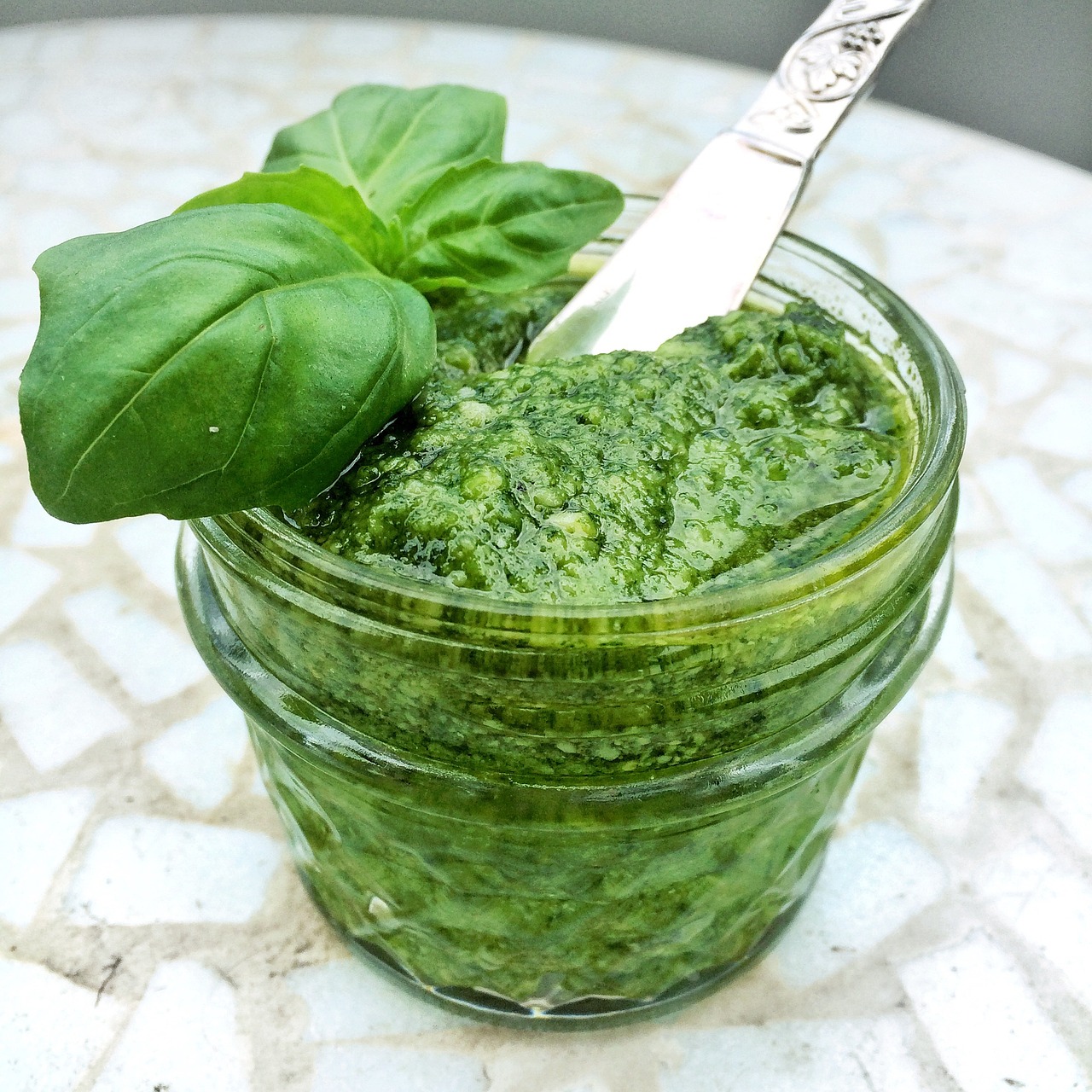
The label test: flip the jar over. If sunflower or canola oil sits above olive oil in the ingredient list, put it back. Salt & Lavender and The Recipe Critic both call out the refrigerated section for a reason — the flavor gap between shelf-stable and fresh pesto is bigger than the gap between store-bought and homemade.
Do I have to use rotisserie chicken?

Pull the rotisserie meat off the bird in rough, irregular shreds, not cubes. Cubes look tidy but slide off the pasta; shreds tangle into the noodles and grab pesto in the crevices. Skip the skin (it goes rubbery when reheated), keep both breast and thigh.
What if I don’t have rotisserie?
Two shortcuts. Frozen pre-cooked chicken strips: microwave 90 seconds, done. Or slice a raw chicken breast into thin cutlets (¼-inch), salt them, and pan-sear 2 minutes per side while the pasta water heats. That keeps you under 12 minutes total. Anything thicker than ¼-inch blows the timer.
The 10-minute method (start-to-finish)
- 0:00 — Fill and salt the water. 4 quarts (4 L) of water, 1 tbsp kosher salt. Cover, high heat.
- 0:00–2:00 — Water heats. Pull the rotisserie meat, grate the parmesan, zest the lemon into a small pile. Cut the lemon.
- ~4:00 — Pasta in. Once boiling, add the pasta. Set a timer for the package time minus 1 minute (usually 9 minutes for fusilli, so set 8).
- ~11:30 — Reserve water, drain. Scoop out ½ cup of the starchy pasta water into a mug. Drain the rest.
- ~12:00 — Kill the heat, combine. Return the pasta to the empty pot off the burner. Add ⅔ cup pesto and 3 tbsp of the reserved water. Toss for 30 seconds — the pesto should coat every strand and look glossy, not thick.
- Add the rest. Fold in chicken, parmesan, lemon zest, and juice of ½ lemon. Toss another 15 seconds. Taste. If it’s tight, splash in more pasta water; if flat, more lemon.
- Serve immediately. Warm bowls if you have time — pesto pasta cools fast.
Watch it in 15 minutes
If you learn better by watching, this walkthrough runs the same technique — reserved pasta water, off-heat pesto, rotisserie chicken — in real time:
What shape of pasta works best?

Fusilli is my default because every twist becomes a pesto pocket. If you want to level up on a weekend, grill fresh chicken thighs instead of using rotisserie and use trofie or gemelli — those two shapes are what Ligurians (birthplace of pesto) actually eat with the sauce.
Common questions
Can I make this ahead?
Not really — pesto pasta is a serve-immediately dish. Refrigerated, the pesto oxidizes and the pasta absorbs the sauce, leaving dry noodles. If you must, cook and store the pasta and chicken separately, then combine with pesto right before eating. It keeps that way for 2 days.
How do I reheat leftovers?
Skillet, medium-low, splash of water or milk, 2 minutes. Never microwave uncovered — it dries out and the pesto oil separates. Cover with a damp paper towel if you microwave, 60 seconds, stir, 30 more.
Can I make it creamy?
Yes — stir in ¼ cup heavy cream or half-and-half with the pesto. That gets you the Salt & Lavender / Natasha’s Kitchen style. It’s a different dish (richer, heavier) but takes the same 10 minutes. I still prefer it without because the lemon reads brighter.
Is jarred pesto healthy?
Middling — most jarred pestos run 80–100 kcal per tablespoon, mostly from oil. This recipe uses about 10 tbsp across the whole pan. Serving of ⅓ of the pot: ~620 kcal, 35 g protein, 45 g carbs. That’s a real dinner, not a diet dinner.
Can I make it dairy-free?
Look for pesto without cheese (Genovese pesto traditionally includes it; many vegan brands don’t) and skip the parmesan. Replace with 2 tbsp nutritional yeast for umami. The chicken and pasta are already dairy-free.
What sides pair with it?
A crisp green salad with lemon vinaigrette. Toasted baguette rubbed with garlic. Roasted cherry tomatoes if you have five extra minutes. Skip creamy sides — the pesto is already rich.
My one-line summary
Boil the pasta. Warm the chicken. Kill the heat. Stir in the pesto. Finish with lemon. Ten minutes, no exceptions.
Related on Meat Recipes Box: all chicken recipes · weeknight pasta ideas · 15 things to do with rotisserie chicken


