
Real shepherd’s pie is made with lamb. Shepherds look after sheep, not cows, so if your pie is full of ground beef, it’s a cottage pie. Both are good, but lamb gives you a deeper, slightly sweet, more savory filling. This is the version you’d get in a proper British pub.
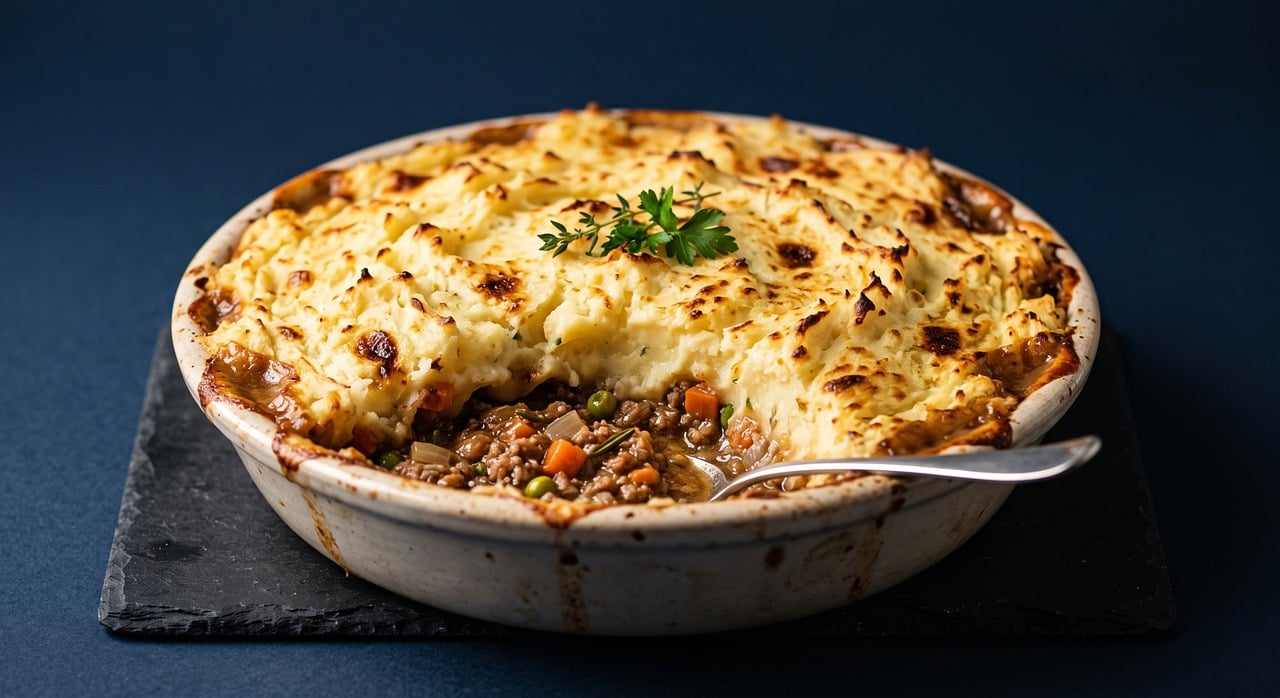
The 30-second answer
Brown 1½ lb ground lamb hard, then cook it with onion, carrot and celery. Stir in tomato paste, flour, Worcestershire, thyme, rosemary and 1¼ cups stock, and simmer 20 minutes until thick. Add peas. Top with buttery mashed potatoes (with an egg yolk for color), rough up the surface with a fork, and bake at 400°F for 25–30 minutes until the edges bubble and the ridges go golden. Rest 10 minutes before serving.
Jump to
What’s the difference between shepherd’s pie and cottage pie?
The meat. Shepherd’s pie is made with lamb, and cottage pie is made with beef. Everything else can be the same: a gravy-rich filling with vegetables under a mashed potato lid. In the US and Canada, “shepherd’s pie” often gets used for the beef version. In the UK, a pub or supermarket will call it cottage pie.
Shepherd’s pie
Ground lamb (or leftover roast lamb). Richer and a little sweet, with a gentle grassy flavor. Rosemary and thyme are natural partners.
Cottage pie
Ground beef. Meatier and milder, and it takes a bit more seasoning. Our classic cottage pie recipe covers that version.
Funny enough, the split is fairly modern. The history of shepherd’s pie shows “cottage pie” in print by 1791, with “shepherd’s pie” following in the mid-1800s. For a long time, the two names were used for the same dish. The lamb-equals-shepherd’s rule stuck later, and today it’s what most cooks expect.
Ingredients for lamb shepherd’s pie (serves 6)
Traditional Lamb Shepherd’s Pie
Lamb filling
- 1½ lb (680 g) ground lamb (15–20% fat is ideal)
- 1 tbsp olive oil
- 1 large onion, finely diced
- 2 carrots, finely diced
- 2 celery ribs, finely diced
- 3 garlic cloves, minced
- 2 tbsp tomato paste
- 2 tbsp all-purpose flour
- 1¼ cups (300 ml) low-sodium beef or chicken stock
- 1½ tbsp Worcestershire sauce
- 1 tsp fresh thyme leaves (or ½ tsp dried)
- 1 tsp finely chopped fresh rosemary
- 1 bay leaf
- ¾ cup (100 g) frozen peas
- Salt and black pepper
Mashed potato topping
- 2½ lb (1.1 kg) Russet or Yukon Gold potatoes, peeled and cut into 2-inch chunks
- 4 tbsp (60 g) butter
- ½ cup (120 ml) warm whole milk
- 1 egg yolk
- ½ cup (50 g) grated sharp cheddar (optional)
- 1 tsp salt, white or black pepper
Can’t find ground lamb? Ask the butcher to grind a piece of lamb shoulder. It has just the right fat for this. Lean leg mince works too, but add a knob of butter to the pan.
How to make shepherd’s pie, step by step
1. Start the potatoes (5 min active)
- Put the potato chunks in a large pot of cold, well-salted water. Bring to a boil, then simmer 15–18 minutes until a knife slides through with no resistance.
- While they cook, get the filling going.
2. Brown the lamb properly (8 min)
- Heat the oil in a large, deep skillet or Dutch oven over medium-high heat.
- Add the lamb and press it flat. Leave it alone for 3–4 minutes until the bottom is deep brown, then break it up and cook until no pink remains.
- Tip the pan and spoon off all but 1 tablespoon of fat. Lamb releases a lot, and leaving it in makes the filling greasy.
3. Build the gravy (25 min)
- Add the onion, carrot and celery. Cook 6–7 minutes until soft. Add the garlic for 1 minute.
- Stir in the tomato paste and cook 2 minutes until it darkens to brick red. Sprinkle over the flour and stir for 1 minute.
- Pour in the stock and Worcestershire. Add the thyme, rosemary and bay leaf, and scrape up the browned bits.
- Simmer uncovered for 15–20 minutes, stirring now and then, until the gravy is thick. A spoon dragged through the pan should leave a trail. Stir in the peas, taste, and season. Remove the bay leaf.
- Spread the filling in a 9×13-inch (or 2.5-quart) baking dish. Let it cool for 10 minutes so it firms up and the mash sits on top instead of sinking.
4. Make the mash (5 min)
- Heat the oven to 400°F (200°C).
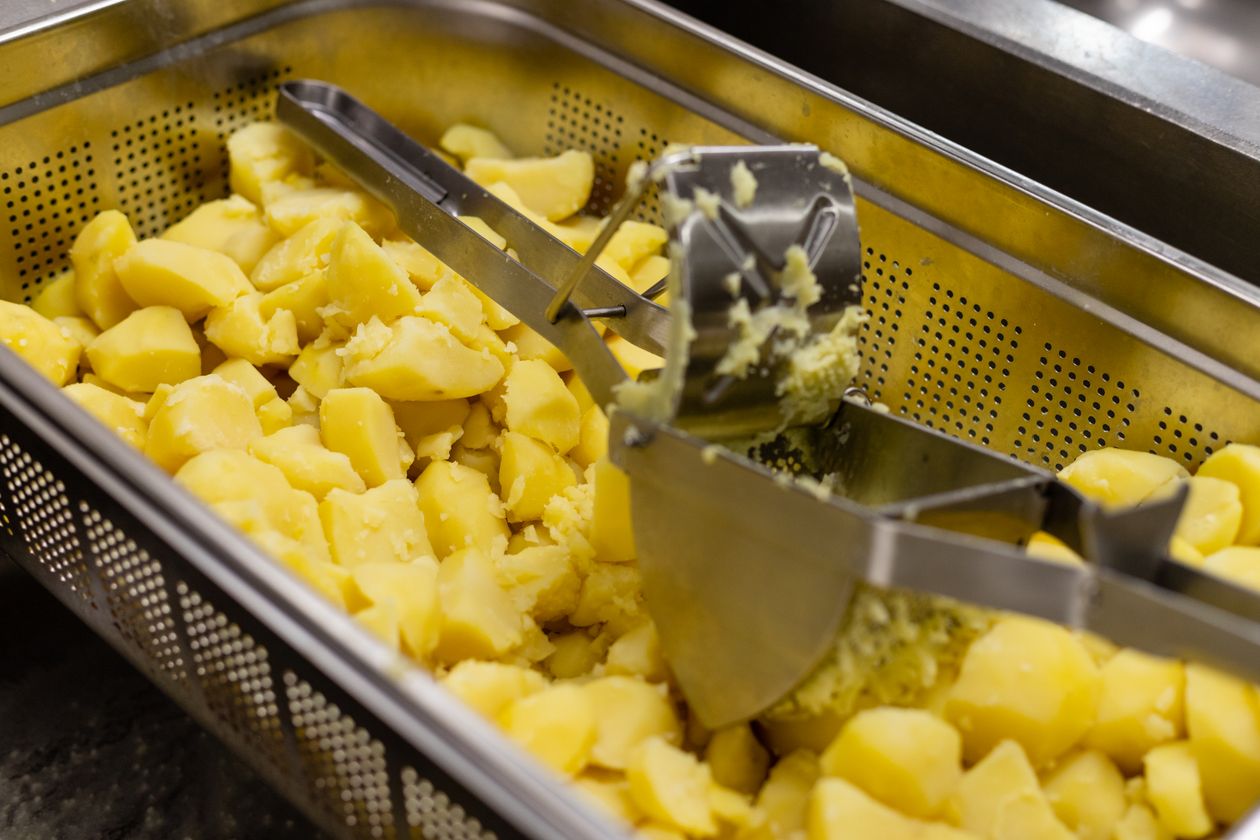
- Drain the potatoes well, then return them to the hot pot for 1 minute to steam off extra water.
- Rice or mash them with the butter and warm milk. Season generously. Let it cool 2 minutes, then beat in the egg yolk and half the cheddar, if using.
5. Top and bake (25–30 min)
- Spoon the mash around the edges first to seal in the filling, then fill the middle. Spread it evenly.
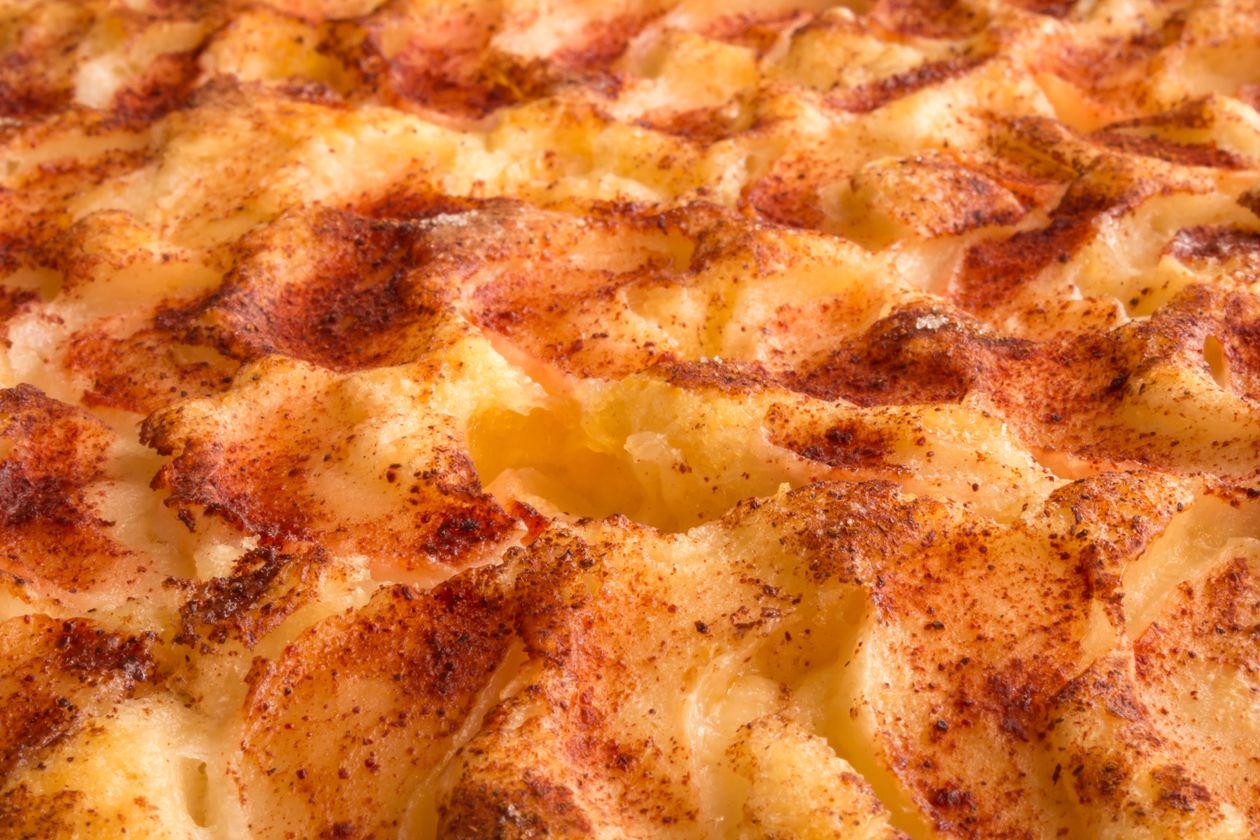
- Drag a fork across the top to make ridges. Those ridges are what turn crisp and golden. Scatter over the rest of the cheese.
- Set the dish on a baking sheet to catch drips. Bake 25–30 minutes until the filling bubbles at the edges. For a darker crust, broil for the last 2–3 minutes and watch it closely.
- Rest 10 minutes before scooping, so it holds its shape on the plate.
Watch it done (video)
Jamie Oliver makes a lamb shepherd’s pie from start to finish. His topping trick is worth seeing.
What makes a shepherd’s pie really good?
Four small things separate a flat, watery pie from a rich one. None of them take extra time. They’re just easy to skip.
- Brown the lamb hard. Grey, steamed mince tastes flat. Let it sit in a hot pan until it gets a real brown crust. That’s where most of the flavor comes from. If your pan is small, brown it in two batches.
- Cook the tomato paste. Two minutes in the hot pan takes it from sharp and tinny to deep and sweet. It gives the gravy its color, too.
- Reduce until it’s thick. A runny filling boils up through the potato and makes the pie soupy. Stop when the spoon leaves a trail.
- Cool the filling a little before topping. Hot, loose filling swallows the mash. Ten minutes of cooling keeps the layers clean.
Why the egg yolk? It makes the mash richer and helps it brown faster in the oven. You get a crisper top without drying out the filling. Skip it if you like, and just broil a minute longer.
Can you make shepherd’s pie with leftover roast lamb?
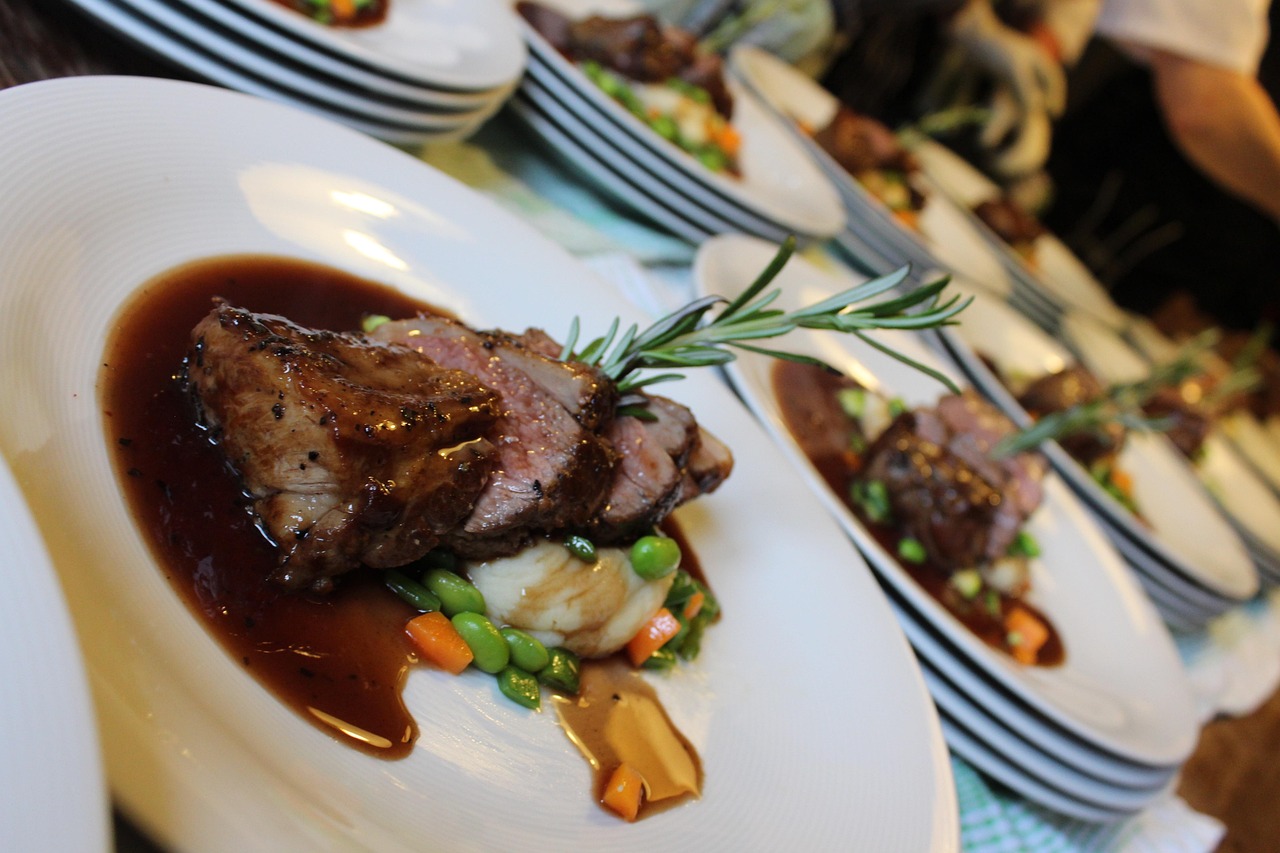
Yes, and that’s the original way. Shepherd’s pie began as a Monday dish for using up the Sunday joint. Cooked lamb gives you a more tender, shredded texture than raw mince.
- Chop or pulse about 1½ lb (680 g) cooked lamb into small pieces. Don’t grind it to a paste.
- Soften the vegetables in 2 tbsp oil or butter first, since cooked lamb won’t give off much fat.
- Add the lamb with the stock, plus any leftover gravy or pan juices. Simmer only 10 minutes, just long enough to thicken and heat through.
- Top and bake exactly the same way.
Got more lamb than you need? Our braised lamb shanks and herb-crusted rack of lamb are the next lamb dinners to try.
Can you make shepherd’s pie ahead or freeze it?
Yes to both. It’s one of the best make-ahead dinners there is, and it often tastes better the next day.
- Make ahead: assemble the pie, let it cool, cover, and refrigerate up to 2 days. Bake straight from the fridge at 400°F for 40–45 minutes.
- Freeze unbaked: wrap tightly and freeze up to 3 months. Thaw overnight in the fridge, then bake as above.
- Freeze baked: cool completely and freeze in portions for up to 3 months. Reheat covered at 350°F until hot in the center.
- Reheat leftovers: covered at 350°F for 20–25 minutes, or microwave single portions for 2–3 minutes. Reheat until it reaches 165°F in the middle, following the USDA safe temperature chart for leftovers.
If you like stocking the freezer, our freezer-friendly ground meat meals use the same approach.
What to serve with shepherd’s pie
The pie already has meat, vegetables and potatoes, so keep the sides light and green.
- Buttered green beans or tenderstem broccoli
- Braised red cabbage, which cuts through the richness
- A crisp green salad with a mustard vinaigrette
- Extra gravy on the side. Our homemade brown gravy is ready in 10 minutes.
- Crusty bread to mop up the edges
Common shepherd’s pie mistakes
What goes wrong, and the fix
- Greasy filling: the lamb fat wasn’t drained. Spoon off all but a tablespoon after browning.
- Watery, soupy pie: the gravy wasn’t reduced enough. Simmer until a spoon leaves a clear trail.
- Mash sinks into the filling: the filling was too hot and loose. Cool it for 10 minutes first, and pipe or spoon the mash around the edges before the middle.
- Gluey potatoes: they were overworked in a blender or food processor. Use a ricer or a hand masher.
- Pale top: add an egg yolk to the mash, make fork ridges, and broil for the last 2–3 minutes.
A quick history: beef or lamb?
Want to see how the earliest versions were made? Max Miller of Tasting History cooks shepherd’s pie from an 1894 recipe and looks into the beef-or-lamb question.
Questions people ask about shepherd’s pie
Is shepherd’s pie made with lamb or beef?
Traditionally, lamb. The name comes from shepherds, who tend sheep. A pie made with beef is properly called cottage pie. In North America, the two names are often mixed up, so “shepherd’s pie” on a menu or in a recipe might be beef. Check the ingredients.
Is shepherd’s pie Irish or English?
Both claim it. It’s a British Isles dish that’s popular across England, Scotland and Ireland. The name first shows up in 19th-century British cookbooks. In Ireland, it’s a pub staple, especially around St. Patrick’s Day.
Why is it called a pie if there’s no pastry?
In old British cooking, “pie” meant any dish with a filling baked under a covering. The mashed potato lid does the job of a crust. Some modern versions use puff pastry on top, but mash is the classic.
Should shepherd’s pie have cheese on top?
It’s optional. Traditional versions skip it, but a handful of sharp cheddar in and on top of the mash is very common now. If you add breadcrumbs and cheese, you’re close to a Cumberland pie.
What temperature should the oven be for shepherd’s pie?
400°F (200°C) for 25–30 minutes when the filling is freshly made and warm. If you’re baking it straight from the fridge, keep 400°F but allow 40–45 minutes, until it’s bubbling at the edges and hot in the center.
What can I use instead of Worcestershire sauce?
Use 1 tbsp soy sauce plus 1 tsp balsamic or malt vinegar. It gives the same savory, slightly tangy depth. Worcestershire contains anchovies, so this swap also works if you want to avoid fish.
Did You Try Our Recipe ?
Scrumptious
My husband (who is extremely picky) loved the liver & onions so much!! I didn’t have any beef broth or Sherry so I used about a tbl of Worcestershire and 1/4 c of white wine …..it was scrumptious
Response from MeatRecipesBox
Oh wow, I’m so happy to hear that!! 😍 I love that you made it work with what you had on hand — Worcestershire and white wine sound like a delicious twist. So glad your husband enjoyed it, especially being picky! Thank you for sharing your version, it makes me smile knowing it turned out scrumptious!
This was amazing
This recipe turned out really amazing! It’s juicy and spiced deliciously. I definitely would use less of the spicy pepper next time, but it really was delicious and I don’t think I’ll make chicken legs any other way from now on.!
Response from MeatRecipesBox
Thank you for taking the time to leave such a thoughtful review. I’m really glad to hear the recipe turned out juicy and full of flavor for you. That’s exactly what I was hoping for when putting it together. Good call on the spicy pepper as well. Adjusting the heat level to your own taste is always the best approach, and using a little less next time should make it just right for you. I really appreciate you trying the recipe and sharing your experience. It’s great to know it worked so well for you.
I Didn’t Expect This Cornbeef Hash Recipe to Taste This Good!!
One skillet. A handful of simple ingredients. Thirty minutes on the clock. And somehow… I ended up with the crispiest, most comforting cornbeef hash recipe I’ve made in years.
I wasn’t expecting much—just a quick, no-fuss meal. But that first bite? Crispy edges, tender potatoes, smoky corned beef, a little kick of pepper. It tasted like something straight off a cozy diner griddle.
Honestly, it caught me off guard—in the best way. Here’s why this simple skillet completely won me over.


