

Recipe at a glance
- Prep10 min
- Cook25 min
- Rest5 min
- Total40 min
- Serves2
- Calories~620 / serving
What Is the Ribeye Cap, and Why Do Butchers Keep It for Themselves?
The spinalis dorsi is one of three muscles inside a whole ribeye — the other two being the longissimus dorsi (the “eye”) and the complexus (a small nub). The spinalis wraps the outside like a crescent moon, separated from the eye by a thin ribbon of fat known as the “kernel fat.”
Butchers call it the butcher’s secret because a standard 20-lb ribeye primal yields only 1.5–2 lb of true cap. When cut into steaks, each cap makes 3–4 palm-sized portions with more marbling than any other muscle on the animal. Fine-dining butchers like Pat LaFrieda in New York sell it for $60+ a pound. Home cooks who love this cut usually graduate to our tomahawk steak guide next.
Ribeye cap vs. other prime cuts
| Ribeye Cap | Ribeye Eye | Filet Mignon | |
|---|---|---|---|
| Marbling (USDA) | 10+ (off-chart) | 7–8 (Prime) | 4–5 (Choice) |
| Tenderness | Butter-soft | Firm-tender | Softest |
| Beef flavor | Intense | Big | Mild |
| Yield per cow | ~1.5 lb | ~10 lb | ~5 lb |
| Price (US, 2026) | $40–70/lb | $22–28/lb | $28–34/lb |
How to Find and Buy Ribeye Cap Steak
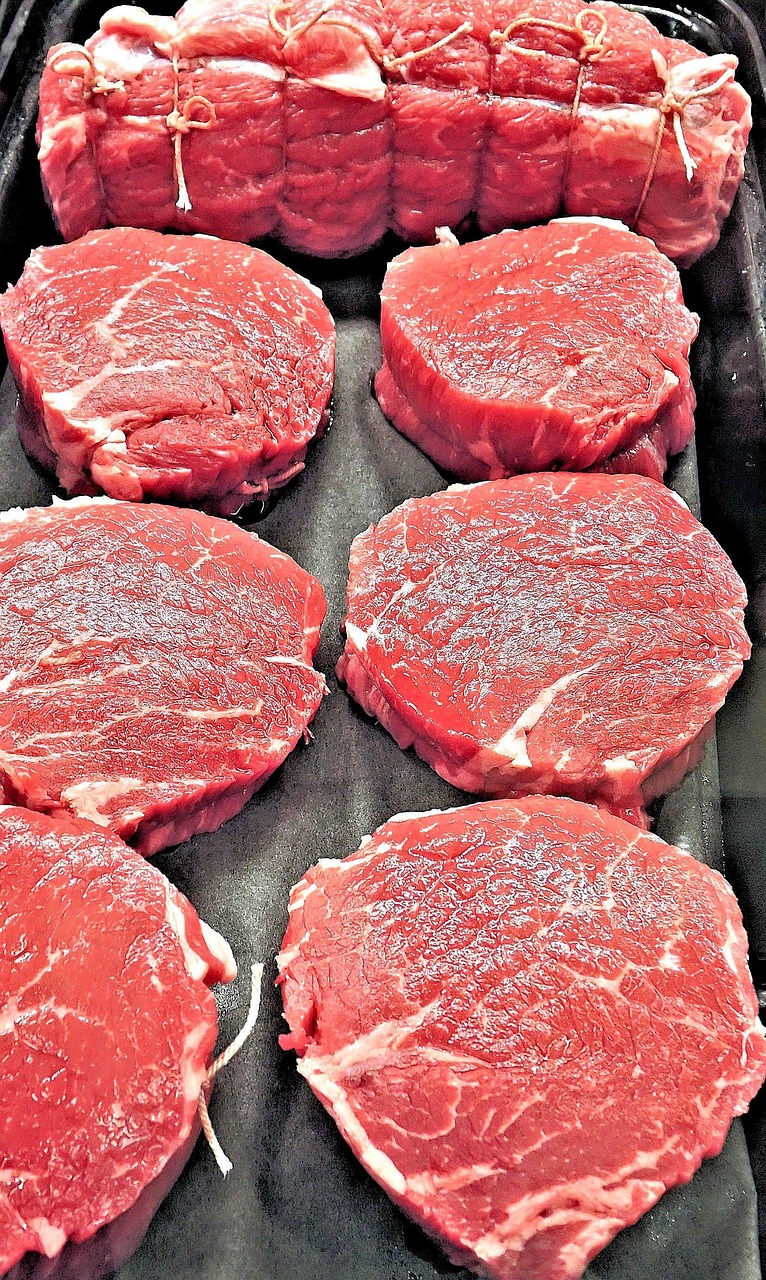
Grocery-store butcher counters almost never sell it — they cut whole ribeyes into bone-in steaks with the cap still attached, because separating it is time-consuming and reduces headline yield. To buy the cap on its own, you have three paths:
1. Ask your butcher directly
Whole Foods, Wegmans, and Central Market will trim you a cap if given 24-48 hours notice. Say specifically: “ribeye cap, spinalis dorsi, IMPS 112D.” Anything else and you might get a rolled top blade instead. Expect $40–55/lb for USDA Prime.
2. Costco (US)
Some warehouse stores stock “ribeye cap steak” trimmed and rolled into pinwheels for around $28/lb — this is the single best deal in American beef. Availability is location-dependent; check the meat case on weekdays before restaurants clean it out.
3. Online mail order
The reliable path. Snake River Farms, Crowd Cow, and Porter & York all ship cap steaks vacuum-sealed and frozen. American Wagyu caps run $70–100/lb but eat like foie gras. For sourcing rules across all steaks, our steak-buying guide covers grades, dry-aging, and grass-fed labels.
Ingredients — 2 Servings
The essentials
- 2 ribeye cap steaks, 6–8 oz each (170–225 g), or 1 whole cap rolled and tied into a pinwheel
- 1 tsp flaky sea salt per steak (Maldon or fleur de sel)
- Freshly cracked black pepper (optional, apply after searing)
- 1 tbsp neutral oil (avocado, grapeseed) for the pan
- 1 tbsp unsalted butter (for the baste)
- 2 sprigs fresh thyme + 1 crushed garlic clove (for the baste)
Optional finishing salts
- Truffle salt (Jess Pryles’s move)
- Smoked Maldon
- Aleppo pepper for gentle heat
- A lemon wedge — cuts the richness of that fat
Rule: This cut is so fat-forward that any marinade, sauce, or dry rub becomes noise. Do less, not more.
How to Cook Ribeye Cap Steak — Reverse Sear Method

Method — 40 minutes, thermometer required
- Salt 45 minutes ahead. Season both sides with flaky salt, place on a rack over a plate, refrigerate uncovered. This dry-brines the meat and dries the surface — non-negotiable for a good sear on such a fatty cut.
- Preheat the oven to 120 °C / 250 °F (or the grill’s cool zone). Fit a wire rack over a foil-lined tray.
- Roast slowly. Place steaks on the rack, insert a probe thermometer into the thickest part. Cook until the internal temperature reads 46 °C / 115 °F — usually 20–25 minutes for 1-inch steaks. Pull.
- Rest briefly. Let the steaks rest uncovered for 3–5 minutes while you heat the pan. Don’t tent — you want a dry surface.
- Screaming-hot sear. Heat cast iron over the highest heat until it just starts to smoke (about 260 °C / 500 °F pan temperature). Add oil, then steaks. Sear 60 seconds per side, no more.
- Butter baste. In the last 30 seconds, add butter, thyme, and garlic to the pan. Tilt the pan, spoon foaming butter over the steaks 8–10 times. This is the flavor build the restaurants do.
- Pull at 54 °C / 130 °F for medium-rare (or 52 °C / 125 °F if you like it closer to rare — carry-over will finish it).
- Rest 5 minutes on a warm plate. Sprinkle a second pinch of flaky salt on top. Slice against the grain into strips, or serve whole.
Doneness Chart — Pull Temperatures
⭐ Recommended for spinalis. ⚠️ Above medium-well destroys what makes this cut worth $50/lb. Pull 3 °C / 5 °F below your target — carry-over finishes cooking during the rest. The USDA-safe minimum for whole beef cuts is 63 °C / 145 °F, so medium and above pass conventional food-safety guidance. For real precision, ThermoWorks Thermapen One reads accurately in one second — worth it for a $60 steak.
Watch It Broken Down (Jess Pryles Butchery Video)
Jess Pryles — Australian meat authority and hardcore-carnivore founder — shows how the cap is separated from a whole ribeye primal, then grilled. Watch the way she rolls loose caps into pinwheels for even cooking. That trick is what home butchers usually miss.
The Four Mistakes That Ruin a $60 Steak
1. Cooking from cold
Straight fridge-to-hot-pan means the fat renders unevenly and the outside seizes before the center warms. Salt 45 minutes ahead, refrigerate uncovered — this pulls surface moisture, dries the skin, and tempers the meat just enough. It’s the same discipline as our dry-brining steak guide.
2. Marinating or rubbing it
The cap is 30% intramuscular fat by weight — nothing you slather on tastes better than what’s already there. Anything beyond salt, pepper, and butter is decoration. Serious cooks use one finishing element (truffle salt, a squeeze of lemon) and stop.
3. Skipping the reverse sear
Straight-pan cooking on such a thin, fatty cut creates a wide gray band under the crust because the outer edges overcook while the middle catches up. Reverse-sear warms the interior first, then a fast blast makes the crust — edge-to-edge pink with a paper-thin brown shell.
4. Overcooking past medium-rare
Every degree above 54 °C melts more fat out and shrinks the muscle. At medium-well the cap loses half its juice and half its texture. Buy a thermometer — a $15 instant-read pays for itself the first time it saves a $50 steak.
What to Serve with Ribeye Cap

Because the cap carries its own richness, sides should be sharp, green, or acidic:
- Watercress or arugula salad with lemon and shaved Parmigiano
- Blistered shishito peppers with flaky salt
- Grilled asparagus with olive oil and lemon zest
- Roasted marrow bones for full-on carnivore mode
- A wedge of iceberg with blue cheese for old-school steakhouse energy
- Cabernet Sauvignon, Malbec, or Barolo — big tannins to cut the fat
Skip mashed potatoes — they mute the beef. Skip peppercorn sauce — you’ll cover the marbling with cream. If you want a bigger meat course, add our picanha guide as a co-star for surf-and-turf night.
Storing, Reheating and Aging

Fridge: cooked cap keeps 3 days sealed. It’s magnificent cold on rye with mustard.
Reheat: never microwave. Sous vide at 54 °C / 130 °F for 15 minutes brings it back perfectly; otherwise, thin slices in a warm skillet for 20 seconds per side.
Freeze raw: vacuum-sealed cap keeps 4 months. Thaw slowly in the fridge for 24 hours.
Dry-aging: if you buy a whole primal, dry-age it 21–28 days before separating the cap. The enzymatic breakdown intensifies flavor; the cap is the muscle that benefits most from aging.
Quick Answers
What is spinalis dorsi in plain English?
Spinalis dorsi is Latin for “spinal of the back” — the muscle that runs along the outside of a cow’s rib section. In the whole ribeye primal, it wraps around the eye muscle like a crescent moon. Butchers separate it out because it holds roughly twice the intramuscular fat of the eye, which makes it the most tender single muscle on the entire animal.
Why is ribeye cap so expensive?
Each cow yields only 1.5–2 lb of true cap out of an 800-lb carcass — under 0.25% of total weight. Prime-grade caps at Snake River Farms and Crowd Cow list at $60–70 per pound in 2026 because separating one from a whole primal takes skilled butchery and destroys the standard bone-in ribeye that grocery stores would sell instead.
Reverse sear or hot-and-fast?
Reverse sear wins for anything thicker than ¾ inch. Below that thickness, a hot-and-fast pan sear (90 seconds per side in a screaming cast iron with butter baste at the end) works just as well and takes less time. The cap is usually 1 inch when trimmed properly, which puts it firmly in reverse-sear territory.
Can I cook ribeye cap in an air fryer?
Yes, and it’s shockingly good. Air-fry at 200 °C / 400 °F for 6–7 minutes total (flip at 3 minutes) for a 1-inch cap, then finish with a 30-second cast-iron sear for the crust. Not traditional, but the fat cap self-bastes so well the meat stays juicy — better than air-fried filet by a wide margin.
Is ribeye cap the same as the deckle?
Almost. The word deckle gets used two ways: some butchers use it for the spinalis dorsi (ribeye cap), others use it for the pectoralis (brisket point). Context matters. If a menu lists “deckle steak” and it comes from the rib primal, it’s the spinalis. If it comes from the brisket, it’s a different, tougher muscle entirely.
The One-Line Version
Salt 45 minutes ahead, oven at 250 °F to 115 °F internal, cast-iron sear 60 seconds per side with butter baste, pull at 130 °F, rest 5 minutes. Nothing else. Hungry for more? Browse our full beef recipe collection.


