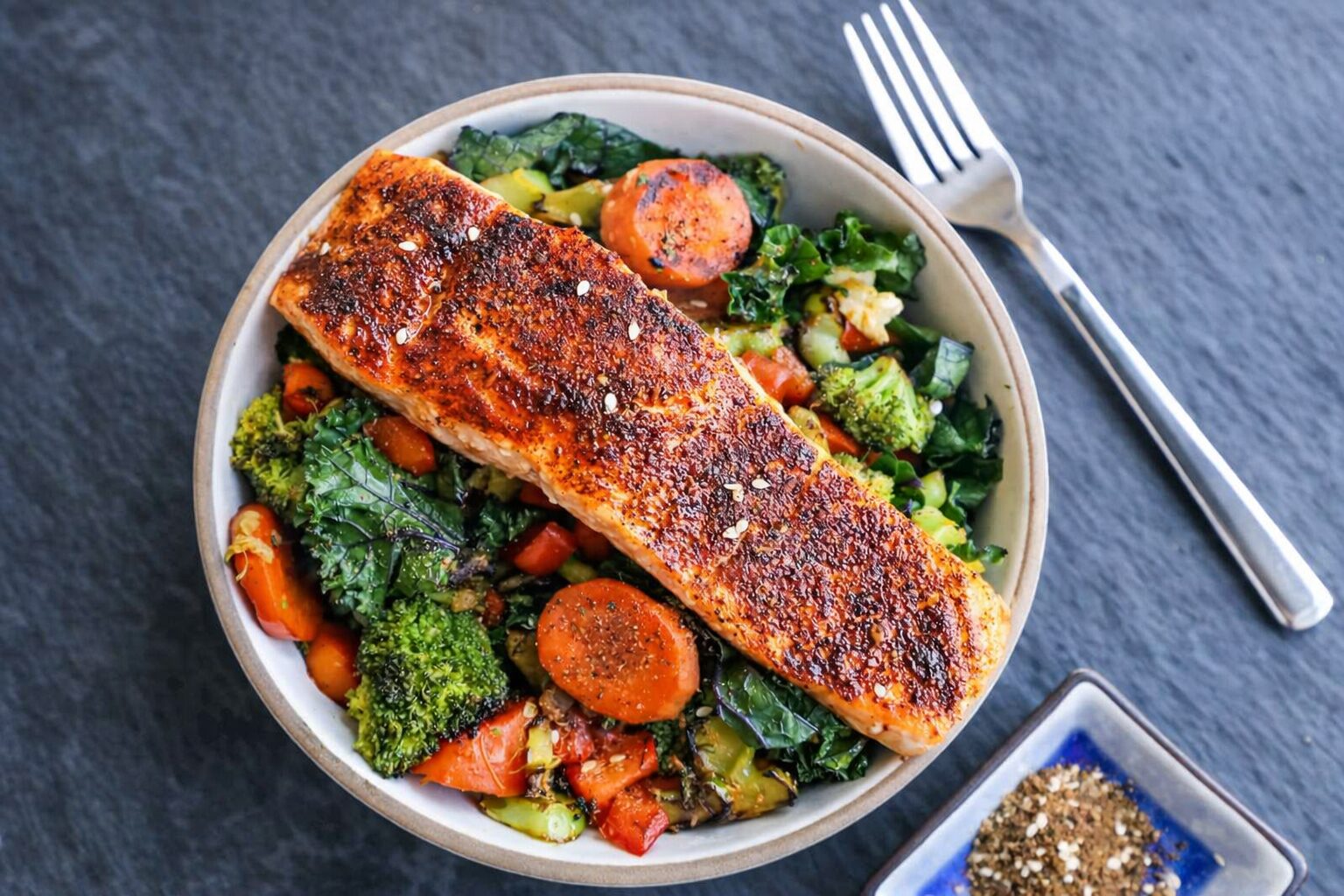

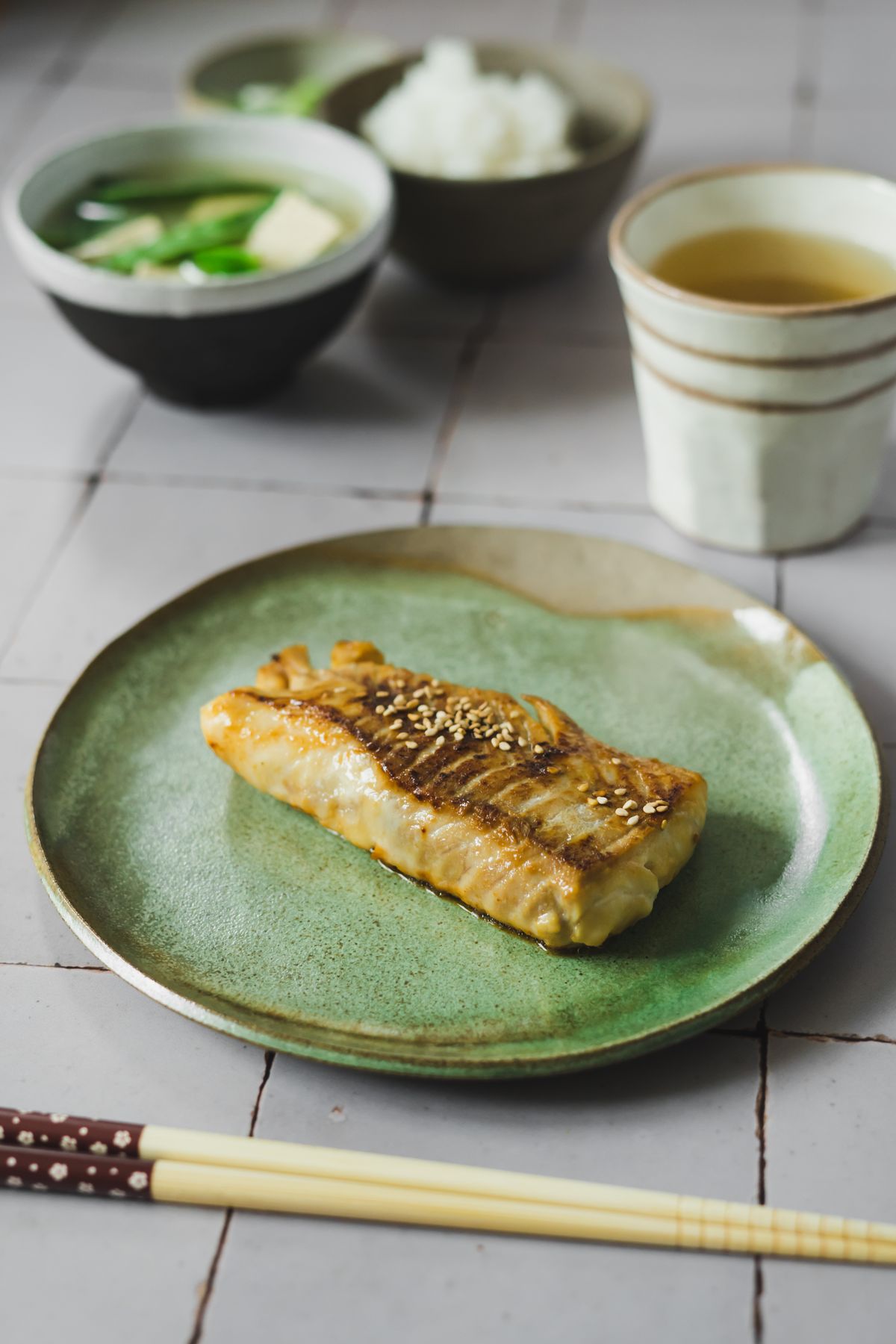
Four miso salmon recipes covering every scenario: a 24-hour Nobu-style broiler version for weekend dinner, a 20-minute skillet version for Tuesday night, a bold red miso version with heat, and a French-Japanese miso butter variation. All finish salmon at 125–130°F / 52–54°C internal, the range where the flesh stays silky. If you’re after non-miso options too, our salmon glaze recipes collection covers honey garlic, teriyaki, sriracha, and four more.
- 4 tested variants: Nobu-style 24-hour broiler, 20-minute honey-miso skillet, spicy red miso, and miso butter.
- Pull temperature: 125–130°F (52–54°C) internal — never the USDA 145°F, which dries salmon out.
- Pick your miso: shiro (white) for delicate saikyo texture, aka (red) for bold savoury heat, awase (mixed) as the all-rounder.
- Marinate window: 20 min for weeknight glaze, 24–72 h for full koji-cure texture. Beyond 72 h salt overwhelms.
- Origin: saikyo yaki, popularised worldwide by chef Nobu Matsuhisa at Matsuhisa Beverly Hills (1987).
Miso salmon is one of Japan’s oldest fish preparations. It’s called saikyo yaki, and the modern global version was popularized by chef Nobu Matsuhisa when he opened Matsuhisa in Beverly Hills in 1987 (The Kitchn on Nobu’s black cod). His marinade — white miso, mirin, sake, sugar — remains the most-ordered dish on his menu today.
Which miso should you use?
The miso paste you pick decides most of the flavor. Three basic categories cover 95% of what’s on any grocery shelf.
Shiro (white)
Short-fermented, sweet, mild. The default for Nobu-style. Best for delicate fish including salmon.
Aka (red)
Long-fermented, salty, deep, sometimes slightly bitter. Bold, needs less quantity, cuts through fatty fillets.
Awase (mixed)
Blend of white and red. Balanced, forgiving, the safe all-rounder if you keep only one tub in the fridge.
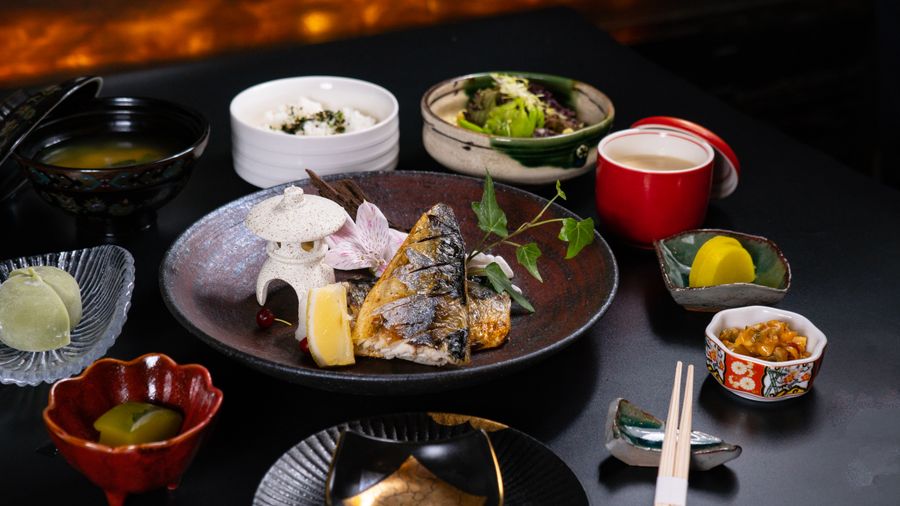
1. Classic White Miso Salmon (Nobu-Style Broiler)
The 24-hour version. White miso, mirin, sake, a spoon of sugar — the marinade that put miso salmon on the world map. Plan a day ahead; the enzymes do the work overnight.
Ingredients (serves 4)
- 4 salmon fillets (6 oz each, skin-on)
- 1/3 cup white (shiro) miso paste
- 1/4 cup mirin
- 1/4 cup sake
- 2 tbsp light brown or cane sugar
- Neutral oil for sheet pan
- Toasted sesame seeds & scallion, to garnish
Method
- Simmer mirin and sake in a small saucepan 3 minutes to burn off alcohol. Off heat, whisk in miso and sugar until smooth. Cool completely.
- Coat fillets on all sides. Cover tightly and refrigerate 24 hours minimum (72 hours for full saikyo texture).
- Wipe excess marinade off with paper towels; sugar left on burns instantly under the broiler.
- Broil 6 inches from the element, 6–8 minutes total, until the top is deeply lacquered and the flesh reaches 125–130°F / 52–54°C.
- Rest 2 minutes off heat. Finish with sesame and scallion.
2. 20-Minute Honey Miso Salmon (Weeknight Skillet)
The no-marinate version for a Tuesday. Honey stands in for the sake/sugar reduction. From cold fillet to plated dinner in under 20 minutes.
Ingredients (serves 4)
- 4 salmon fillets (6 oz each)
- 2 tbsp white miso paste
- 1 tbsp mirin
- 1 tbsp low-sodium soy sauce
- 1 tbsp honey
- 1 tsp finely grated ginger
- 1 garlic clove, minced
- 1 tbsp neutral oil for pan
- 1 tsp sesame oil, for finishing
- Lime wedges, to serve
Method
- Whisk miso, mirin, soy sauce, honey, ginger, and garlic until smooth. Season fillets lightly with salt.
- Heat neutral oil in a non-stick or cast-iron skillet over medium-high. Place salmon skin-side down. Cook 4–5 minutes undisturbed.
- Flip. Immediately spoon two-thirds of the miso glaze over each fillet. Cook 2 minutes, basting continuously.
- Reduce heat to medium-low. Cook 1–2 minutes more until the glaze thickens on the surface and the fish hits 125–130°F / 52–54°C.
- Drizzle sesame oil, squeeze a lime wedge, serve.
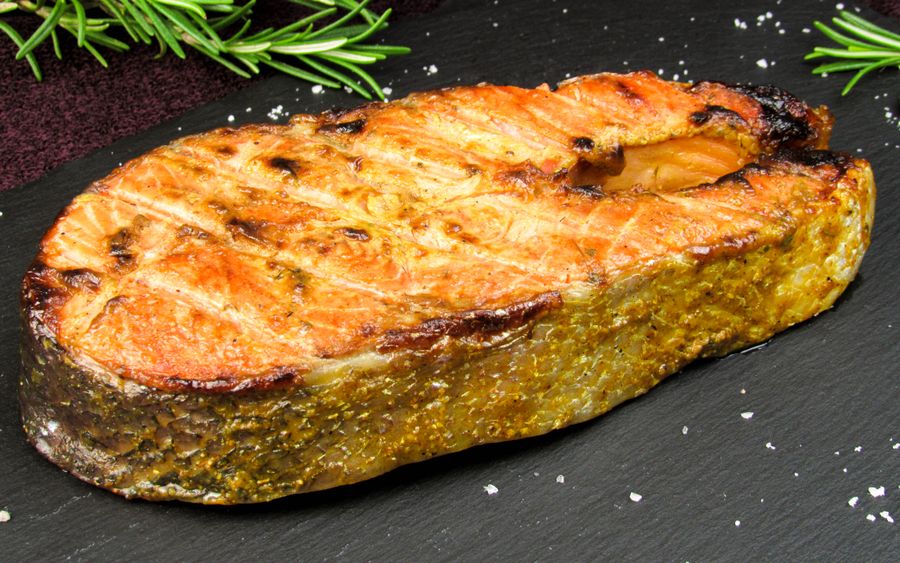
3. Spicy Red Miso Salmon (Grill or Broiler)
Red (aka) miso brings weight and edge. Add gochujang or chili crisp and the glaze pushes into bold-savoury territory — a good foil for cold beer or a chilled dry riesling.
Ingredients (serves 4)
- 4 salmon fillets (6 oz each)
- 2 tbsp red (aka) miso paste
- 1 tbsp gochujang (or 1 tsp chili crisp)
- 1 tbsp mirin
- 1 tbsp rice vinegar
- 1 tsp toasted sesame oil
- 1 tsp honey
- Neutral oil, for grate/sheet
- Sliced red chili & cilantro, to garnish
Method
- Whisk red miso, gochujang, mirin, vinegar, sesame oil, and honey. Reserve 2 tbsp for finishing.
- Brush the rest over both sides of the fillets. Marinate 30 minutes at room temperature (or up to 4 hours refrigerated).
- Grill option: oil the grates, cook skin-side down over medium 4 minutes, flip, brush reserved glaze, close lid 3–4 minutes.
- Broiler option: 6 inches from the element, 6–7 minutes total, brushing reserved glaze at the 4-minute mark.
- Pull at 125–130°F / 52–54°C. Garnish and serve.
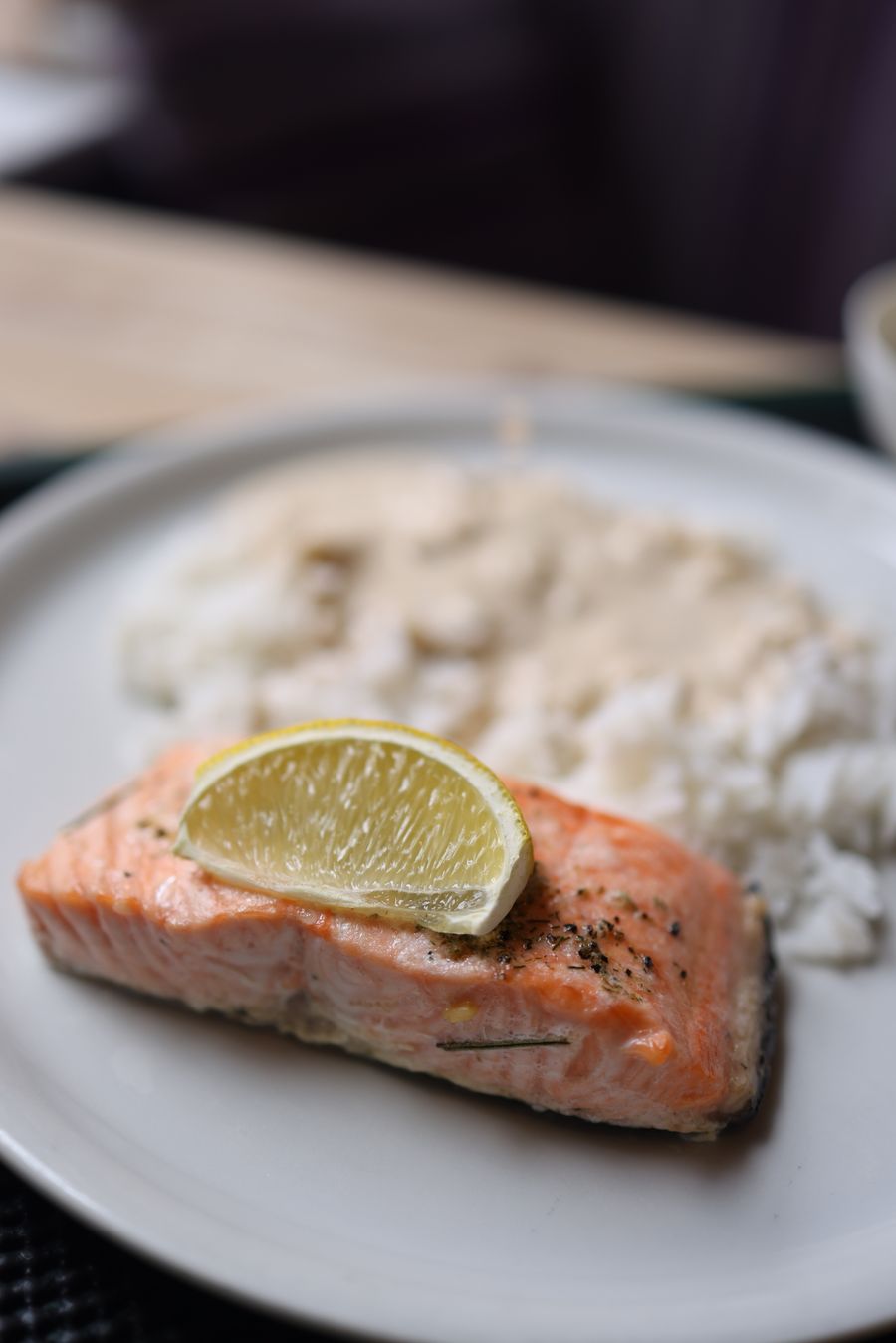
4. Miso Butter Salmon (French-Japanese Skillet)
Compound miso butter melts into the fish and picks up brown-butter nuttiness in the pan. The most decadent of the four and the fastest weeknight upgrade.
Ingredients (serves 4)
- 4 salmon fillets (6 oz each)
- 4 tbsp unsalted butter, softened
- 2 tbsp white miso paste
- 1 tsp finely grated lemon zest
- 1 tsp finely grated ginger
- 1 tbsp neutral oil for pan
- Salt, cracked pepper
- Fresh chives, to finish
Method
- Mash softened butter with miso, lemon zest, and ginger. This is the compound miso butter.
- Season salmon with a pinch of salt. Heat neutral oil in a skillet over medium-high. Sear skin-side down 4 minutes.
- Flip. Add half the miso butter to the pan; it will foam and darken. Tilt the pan and spoon the butter over the fillets for 60 seconds.
- Reduce heat, cover for 90 seconds. Check for 125–130°F / 52–54°C internal.
- Off heat, top each fillet with a knob of the remaining fresh miso butter so it melts on the plate. Finish with chives and cracked pepper.
How long should miso salmon marinate?
Marinate time is the single biggest variable across these four recipes. It changes the texture and flavor depth more than the miso variety itself. In my kitchen tests, these are the reliable timing windows:
Beyond 72 hours the salt content starts to overwhelm and the surface can turn dry. Three days is the ceiling for salmon; black cod tolerates longer because the flesh is oilier.
Storage and serving notes
- Refrigerator: cooked miso salmon keeps 3 days in a sealed container. The glaze firms up cold and re-melts under gentle heat.
- Freezer: raw fillets already in marinade freeze 2 months. Thaw overnight in the fridge and cook straight from thawed — the marinate continues while thawing.
- Reheating: 275°F (135°C) oven, covered with foil, 10 minutes. Skip the microwave; it turns the glaze grainy.
- Sides that work: short-grain rice, quick-blistered broccolini, cucumber sunomono, or a soft-boiled egg over rice for a donburi-style bowl.
- Wine and drinks: dry riesling, junmai sake, or cold Asahi for the spicy red version. Green tea is the traditional pair for shiro.
Frequently asked questions
Can I use black cod instead of salmon?
Yes — the recipes were originally designed around black cod. Cod is oilier and holds a longer marinate (up to 4 days). Reduce broil time by 1–2 minutes and pull at 130°F / 54°C.
What’s the difference between miso salmon and teriyaki salmon?
Teriyaki is a soy-sugar-mirin lacquer applied during cooking. Miso is a fermented paste marinade that seasons the flesh from the inside out via koji enzymes. Miso is savory-forward and slightly funky; teriyaki is sweet-forward and glossier.
Is miso paste gluten-free?
Traditional pure miso is gluten-free (soybeans, salt, koji, sometimes rice or barley). Barley miso contains gluten. Check the label; brands like Hikari and Miso Master offer certified gluten-free versions.
Can I skip the sake?
Yes, for the Nobu-style recipe. Substitute an equal amount of extra mirin plus a splash of water. The flavor is slightly sweeter and less rounded, but the marinade still cures the fish.
Why does my miso salmon burn under the broiler?
Two reasons. Either the marinade wasn’t wiped off before broiling (sugar and miso solids char in seconds), or the rack is too close to the heat. Keep the fish 6 inches from the element and wipe first.
Save all four miso salmon recipes to Pinterest so the Nobu-style version is one click away next weekend.
📌 Pin the collectionDid You Try Our Recipe ?
Chicken hears and gizzards
I would love you to send me the recipe please. I have no printer to print it off. [email protected]
Response from MeatRecipesBox
Hi Sharon, thank you so much for your kind words! I’ve just sent the full recipe to your inbox. Enjoy, and let me know how it turns out! 😊
Scrumptious
My husband (who is extremely picky) loved the liver & onions so much!! I didn’t have any beef broth or Sherry so I used about a tbl of Worcestershire and 1/4 c of white wine …..it was scrumptious
Response from MeatRecipesBox
Oh wow, I’m so happy to hear that!! 😍 I love that you made it work with what you had on hand — Worcestershire and white wine sound like a delicious twist. So glad your husband enjoyed it, especially being picky! Thank you for sharing your version, it makes me smile knowing it turned out scrumptious!
This was amazing
This recipe turned out really amazing! It’s juicy and spiced deliciously. I definitely would use less of the spicy pepper next time, but it really was delicious and I don’t think I’ll make chicken legs any other way from now on.!
Response from MeatRecipesBox
Thank you for taking the time to leave such a thoughtful review. I’m really glad to hear the recipe turned out juicy and full of flavor for you. That’s exactly what I was hoping for when putting it together. Good call on the spicy pepper as well. Adjusting the heat level to your own taste is always the best approach, and using a little less next time should make it just right for you. I really appreciate you trying the recipe and sharing your experience. It’s great to know it worked so well for you.
I Didn’t Expect This Cornbeef Hash Recipe to Taste This Good!!
One skillet. A handful of simple ingredients. Thirty minutes on the clock. And somehow… I ended up with the crispiest, most comforting cornbeef hash recipe I’ve made in years.
I wasn’t expecting much—just a quick, no-fuss meal. But that first bite? Crispy edges, tender potatoes, smoky corned beef, a little kick of pepper. It tasted like something straight off a cozy diner griddle.
Honestly, it caught me off guard—in the best way. Here’s why this simple skillet completely won me over.