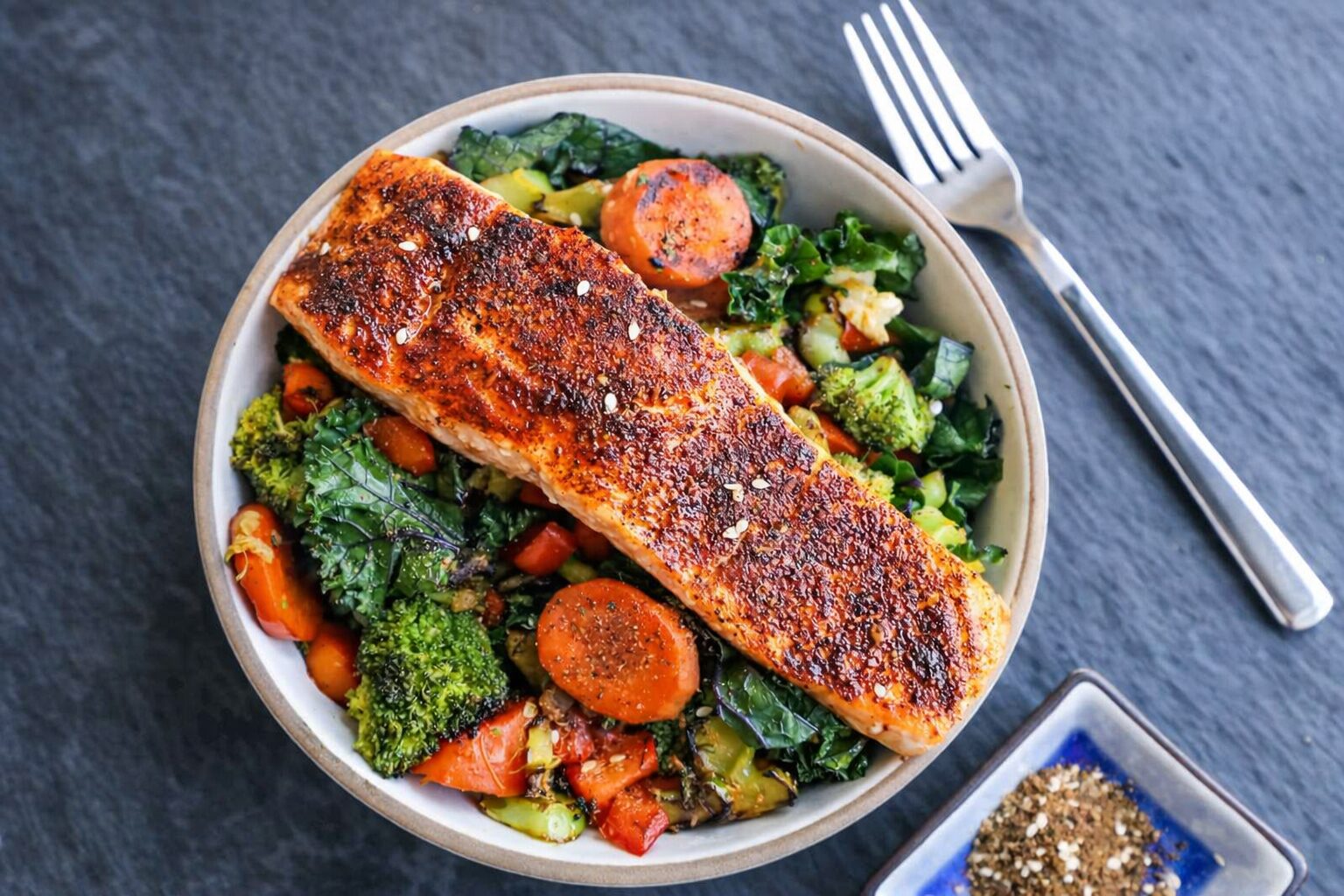
Ever wondered how to turn a simple fillet of salmon into a show‑stopping appetizer that feels like it came straight from a five‑star kitchen? Imagine golden, crisp edges giving way to a tender, buttery interior that melts in your mouth—exactly the kind of dish that turns a casual dinner into a memorable experience. This salmon croquette recipe marries the delicate flavor of fresh fish with a crunchy, savory coating, creating a harmony of textures that will have your guests asking for seconds.

Whether you’re planning a cozy weeknight dinner, a brunch for friends, or a sophisticated party, these croquettes are the perfect crowd‑pleaser. Their elegant presentation and restaurant‑quality taste make them ideal for any occasion that calls for a touch of culinary flair.
Ingredients List
For the salmon mixture (serves 4):
- 1 pound (450 g) fresh salmon fillet, skin removed
- 1 tablespoon (15 ml) lemon juice
- 1 tablespoon (15 ml) Dijon mustard
- 1 tablespoon (15 ml) olive oil
- 1/4 cup (30 g) finely chopped fresh dill
- 1/4 cup (30 g) finely chopped chives
- 1/4 cup (30 g) grated Parmesan cheese
- 1/2 cup (120 ml) heavy cream
- 1 large egg, beaten
- 1 teaspoon (5 g) salt
- 1/2 teaspoon (2.5 g) freshly ground black pepper
For the coating:
- 1 cup (120 g) panko breadcrumbs
- 1/2 cup (50 g) all‑purpose flour
- 1/4 cup (25 g) grated Parmesan cheese
- 1 teaspoon (5 g) garlic powder
- 1 teaspoon (5 g) smoked paprika
- 1/2 teaspoon (2.5 g) salt
- 1/4 teaspoon (1.25 g) black pepper
For the sauce (optional, serves 4):
- 1/2 cup (120 ml) Greek yogurt
- 1 tablespoon (15 ml) fresh lemon juice
- 1 tablespoon (15 ml) chopped fresh dill
- 1 teaspoon (5 g) capers, rinsed and drained
- Salt and pepper to taste
Substitution tips: If you prefer a lighter version, replace the heavy cream with a mixture of Greek yogurt and a splash of milk. For a dairy‑free option, use coconut milk and a plant‑based Parmesan alternative.
Timing
Prep time: 15 minutes
Cooking time: 20 minutes
Total time: 35 minutes
This salmon croquette recipe saves around 10 minutes compared to traditional marinated versions, making it perfect for busy weeknights while still delivering a restaurant‑quality result.
Step-by-Step Instructions
Step 1: Prepare the Salmon Mixture

Begin by finely chopping the salmon into small cubes. Place the salmon in a food processor and pulse until it forms a coarse paste—no need for a perfect puree, just enough to keep the texture interesting. Transfer the salmon to a mixing bowl and add lemon juice, Dijon mustard, olive oil, dill, chives, Parmesan, heavy cream, beaten egg, salt, and pepper. Mix thoroughly until all ingredients are well incorporated. Pro tip: For an extra burst of flavor, add a pinch of cayenne pepper or a splash of white wine to the mixture.
Step 2: Chill the Mixture
Cover the bowl with plastic wrap and refrigerate for at least 30 minutes. Chilling helps the mixture firm up, making it easier to shape into croquettes. Pro tip: If you’re short on time, place the mixture in the freezer for 10 minutes—just enough to firm without freezing solid.
Step 3: Shape the Croquettes
Remove the chilled salmon mixture from the refrigerator. Using a tablespoon or a small ice‑cream scoop, form the mixture into bite‑size balls or ovals, about 1.5 inches (4 cm) in diameter. Place the shaped croquettes on a parchment‑lined tray and refrigerate for another 10 minutes to set. Pro tip: For a uniform shape, use a small cookie scoop or a melon baller.
Step 4: Prepare the Coating
In a shallow dish, combine panko breadcrumbs, flour, Parmesan, garlic powder, smoked paprika, salt, and pepper. In a separate shallow dish, whisk the beaten egg. Dip each croquette first into the egg, allowing excess to drip off, then roll it in the breadcrumb mixture until fully coated. Place the coated croquettes back on the parchment tray. Pro tip: For an extra crispy exterior, double‑coat by dipping the croquettes back into the egg and breadcrumbs once more.
Step 5: Cook the Croquettes
Heat 2 tablespoons (30 ml) of neutral oil (such as canola or grapeseed) in a large skillet over medium heat. Once the oil shimmers, add the croquettes in a single layer, ensuring they don’t touch. Fry for 3–4 minutes on each side, or until golden brown and crisp. If you prefer a healthier option, bake the croquettes at 400 °F (200 °C) on a parchment‑lined baking sheet for 15–18 minutes, flipping halfway through. Pro tip: Use a thermometer to check that the internal temperature reaches 145 °F (63 °C) for perfectly cooked salmon.
Step 6: Assemble and Serve
While the croquettes are still hot, whisk together the Greek yogurt, lemon juice, dill, capers, salt, and pepper to create a quick sauce. Spoon the sauce into a small bowl and serve alongside the croquettes. Garnish with a sprig of fresh dill or a lemon wedge for a pop of color. Pro tip: For a modern twist, drizzle a light honey‑mustard sauce over the croquettes before serving.
Nutritional Information
- Calories: 320 per serving
- Protein: 22 g
- Carbohydrates: 18 g
- Fat: 20 g
- Fiber: 2 g
Serving Suggestions

Plate the croquettes on a white ceramic dish for a clean, modern look. Arrange a small mound of mixed greens—such as arugula, baby spinach, and radicchio—on the side, and drizzle a light vinaigrette. Add a few slices of crisp cucumber and a sprinkle of toasted sesame seeds for texture. For a more formal presentation, serve the croquettes on a slate board with a small ramekin of sauce and a garnish of microgreens.
Common Mistakes to Avoid
- Overcrowding the pan, which causes the croquettes to steam instead of fry.
- Skipping the chilling step, resulting in a mixture that is too soft to hold its shape.
- Under‑seasoning the coating, leading to bland croquettes.
- Overcooking the sauce, which can become watery and lose its bright flavors.
FAQs
Q: Can I use canned salmon instead of fresh?
A: Yes, but drain it well and press out excess moisture. Fresh salmon provides a cleaner flavor and better texture.
Q: How can I make the croquettes extra crispy?
A: Double‑coat the croquettes by dipping them in egg and breadcrumbs twice. Alternatively, add a tablespoon of cornmeal to the breadcrumb mixture.
Q: What’s a good sauce pairing?
A: A lemon‑dill yogurt sauce works wonderfully, but you can also try a tartar sauce or a spicy aioli for a different flavor profile.
Q: Can I bake these instead of frying?
A: Absolutely. Bake at 400 °F (200 °C) for 15
Did You Try Our Recipe ?
Scrumptious
My husband (who is extremely picky) loved the liver & onions so much!! I didn’t have any beef broth or Sherry so I used about a tbl of Worcestershire and 1/4 c of white wine …..it was scrumptious
Response from MeatRecipesBox
Oh wow, I’m so happy to hear that!! 😍 I love that you made it work with what you had on hand — Worcestershire and white wine sound like a delicious twist. So glad your husband enjoyed it, especially being picky! Thank you for sharing your version, it makes me smile knowing it turned out scrumptious!
This was amazing
This recipe turned out really amazing! It’s juicy and spiced deliciously. I definitely would use less of the spicy pepper next time, but it really was delicious and I don’t think I’ll make chicken legs any other way from now on.!
Response from MeatRecipesBox
Thank you for taking the time to leave such a thoughtful review. I’m really glad to hear the recipe turned out juicy and full of flavor for you. That’s exactly what I was hoping for when putting it together. Good call on the spicy pepper as well. Adjusting the heat level to your own taste is always the best approach, and using a little less next time should make it just right for you. I really appreciate you trying the recipe and sharing your experience. It’s great to know it worked so well for you.
I Didn’t Expect This Cornbeef Hash Recipe to Taste This Good!!
One skillet. A handful of simple ingredients. Thirty minutes on the clock. And somehow… I ended up with the crispiest, most comforting cornbeef hash recipe I’ve made in years.
I wasn’t expecting much—just a quick, no-fuss meal. But that first bite? Crispy edges, tender potatoes, smoky corned beef, a little kick of pepper. It tasted like something straight off a cozy diner griddle.
Honestly, it caught me off guard—in the best way. Here’s why this simple skillet completely won me over.

Emma Delacourt
Recipe Developer & Founder, MeatRecipesBox
Emma has been developing and testing meat recipes since 2019. She focuses on temperature precision, food science, and making restaurant-quality results accessible for home cooks. Every recipe on this site is tested multiple times before publishing.