
Chicken Francese (sometimes spelled Francaise) is the Italian-American cutlet that isn’t actually French — thin chicken breasts dipped in flour, then a beaten egg, pan-fried until golden, and finished in a bright lemon-white-wine butter sauce. It’s a Rochester and New York institution, on every red-sauce menu in the Northeast, and one of the fastest 30-minute dinners in the Italian-American canon. The whole thing is essentially “chicken piccata without the capers, but with an egg batter.”
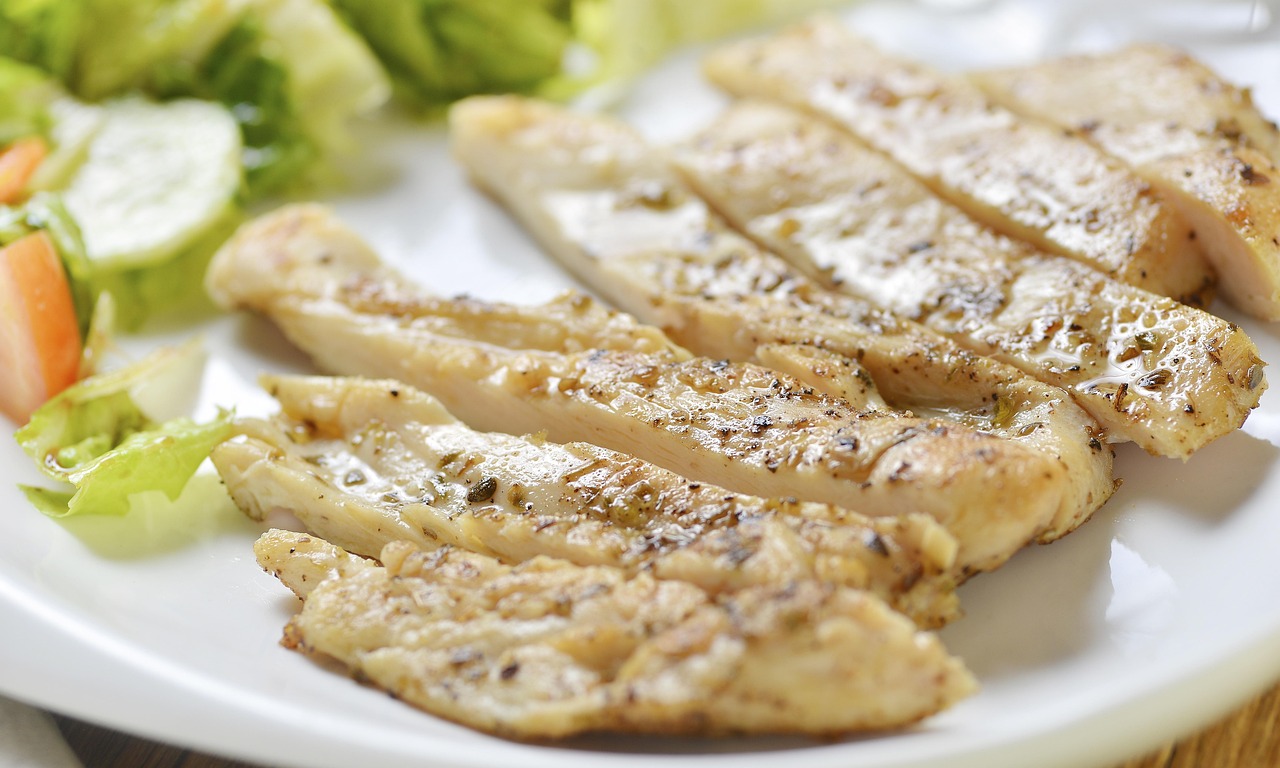
Quick answer: Pound chicken breasts to ¼ inch, dredge in flour, dip in beaten egg with grated parmesan, and pan-fry in olive oil + butter 2–3 minutes per side until golden. Wipe the pan, add lemon slices, ½ cup dry white wine, ½ cup chicken broth, juice of 1 lemon, and simmer. Finish with cold butter for gloss. Ready in 30 minutes. Serves 4. Not the same as piccata — no capers, and the egg batter is the defining feature.
Jump to
- What is chicken francese?
- Chicken francese vs. chicken piccata
- Why the egg batter matters
- Ingredients you’ll need
- How to make chicken francese, step by step
- The lemon-wine-butter sauce
- Making it without wine
- What to serve with chicken francese
- Common mistakes to avoid
- Storage & reheating
- Frequently asked questions
What is chicken francese, exactly?
Chicken francese is a thin chicken cutlet coated in seasoned flour, dipped in beaten egg (often with grated Parmigiano and parsley), and pan-fried in olive oil and butter until the crust is golden and the interior stays juicy. It’s then finished in a quick pan sauce built on lemon juice, dry white wine, chicken broth, and cold butter. Fresh parsley and lemon slices on top, done.
The name is where confusion starts. Francese means “French” in Italian, and Francaise means “French” in French — but the dish itself is pure Italian-American. It’s widely believed to have originated in Rochester, New York, where Italian immigrants adapted a French veal preparation to chicken and cheaper cutlets. You’ll find it on nearly every red-sauce menu from Buffalo to Long Island. In Italy proper, nobody’s heard of it.
Chicken francese vs. chicken piccata — what’s the actual difference?
This is the #1 question people search when they land on a francese recipe. Both are thin chicken cutlets in a lemon-butter-wine pan sauce, both are Italian-American, and they’re often confused. But three specific things separate them, and once you see them side-by-side you can’t unsee them.
Coating
Francese: flour + egg batter, giving a soft golden crust.
Piccata: flour only, no egg, giving a lighter, crispier surface.
Sauce add-ins
Francese: lemon-wine-butter, mellow and rich.
Piccata: lemon-wine-butter plus capers, sharper and more acidic.
Texture
Francese: softer, richer, slightly custard-y from the egg coating.
Piccata: crisper, brighter, more tang from capers.
Best served with
Francese: mashed potatoes or angel hair pasta to soak up sauce.
Piccata: lemon-parsley pasta or roasted vegetables.
Prefer capers and a sharper bite? Make our chicken piccata instead. Prefer richer and softer with more crust? You’re in the right place.
Why the egg batter is the whole point
The egg dip is what makes francese, francese. When the flour-coated cutlet hits the beaten egg, it picks up a thin layer that immediately sets in the hot pan — trapping steam inside the chicken so the interior poaches gently while the exterior turns golden. The result is softer and juicier than a straight flour dredge, with a delicate crust that soaks up the pan sauce like a sponge.
Some cooks add grated Parmigiano-Reggiano and chopped parsley to the beaten egg — this is the New York version. It adds savory depth and a hint of green flecks in the crust. Others keep the egg pure and let the sauce do all the flavor work. Both are correct; the parmesan version is more Rochester, the pure version is more Long Island.

Ingredients you’ll need
The Chicken
- 4 boneless, skinless chicken breasts (~1½ lb / 680 g)
- Sliced horizontally into 8 cutlets, pounded to ¼ inch
- Kosher salt & black pepper
The Coating
- ¾ cup (95 g) all-purpose flour
- 3 large eggs
- ¼ cup (25 g) grated Parmigiano-Reggiano (optional)
- 2 tbsp fresh parsley, chopped
- ½ tsp kosher salt
For Frying
- 3 tbsp olive oil
- 2 tbsp unsalted butter
The Pan Sauce
- ½ cup (120 ml) dry white wine (Pinot Grigio, Sauvignon Blanc)
- ½ cup (120 ml) chicken broth
- Juice of 1 large lemon (about 3 tbsp)
- 1 lemon, thinly sliced (for garnish and sauce)
- 3 tbsp cold unsalted butter, cubed
- 2 tbsp fresh parsley, chopped (to finish)
How to make chicken francese, step by step
- Butterfly and pound the chicken.Slice each breast horizontally into 2 thinner cutlets. Lay between plastic wrap and pound with a mallet to ¼-inch thickness. Season both sides with salt and pepper.
- Set up the dredge stations.In one shallow dish, whisk the flour with salt and pepper. In a second dish, beat the eggs with grated Parmigiano and chopped parsley. Line up chicken → flour → egg → pan.
- Coat each cutlet.Dredge one cutlet in flour, shake off excess, then dip it fully in the beaten egg, letting it drip briefly before it hits the pan. Every surface must be egg-coated — that’s the francese signature.
- Heat the pan properly.In a large skillet over medium-high, heat 3 tbsp olive oil + 2 tbsp butter until the butter foam subsides. Test with a drop of egg — it should sizzle immediately.
- Pan-fry in batches.Add 3 to 4 cutlets to the pan without crowding. Cook 2 to 3 minutes per side until deep golden and cooked through (internal 160°F). Transfer to a plate; repeat with remaining cutlets.
- Wipe out the pan.Pour off the used oil (leaving any browned bits) and wipe with a paper towel. Egg residue burns bitter if left in the pan for the sauce step.
- Build the pan sauce.Return the pan to medium heat. Add lemon slices and cook 1 minute per side to soften. Pour in white wine and let it bubble hard for 1 minute to burn off the alcohol.
- Reduce and finish.Add chicken broth and lemon juice. Simmer 3 to 4 minutes until reduced by half. Off heat, whisk in cold butter cubes one at a time — this emulsifies the sauce and gives it that glossy sheen.
- Return chicken and serve.Nestle the cutlets back into the pan, spoon sauce over the top, and warm through for 1 minute. Scatter fresh parsley and serve immediately with the sauce on the side.
The lemon-wine-butter sauce — the whole reason people order it
The sauce is technically a beurre blanc-adjacent pan sauce with citrus and stock added to stretch it. Three elements decide its quality: the wine reduction (burns off alcohol, concentrates flavor), the acid balance (lemon juice + wine tang), and the butter emulsification (creates the glossy body). Skip any one and it turns into thin lemon broth.
Wine choice matters. Use dry, unoaked whites — Pinot Grigio, Sauvignon Blanc, or a dry Chardonnay work perfectly. Skip anything sweet (Riesling, Moscato) and skip anything oaky, which turns bitter after reduction. Never use “cooking wine” from the grocery aisle — it’s oversalted and adds nothing. If you’d normally reach for it in a pan sauce, you’d reach for it here.
How to make chicken francese without wine
The alcohol version is classic, but the dish works fine without it. Replace the ½ cup of white wine with an equal mix of ¼ cup chicken broth + 2 tbsp lemon juice + 1 tbsp white wine vinegar. You get the same acidity and slight sharpness the wine reduction would have provided.
Craving another wine-free Italian classic? Our chicken marsala without wine uses the same substitution logic for the deeper marsala flavor.
What to serve with chicken francese
Francese sauce is a sauce built to be soaked up. Serve it on something that catches the pan liquid instead of letting it pool on the plate.
Angel hair pasta
The classic Italian-American pairing. Toss with a spoon of the francese sauce and grated parmesan before the chicken goes on top.
Mashed potatoes
The Rochester special. Buttered mashed potatoes underneath, chicken on top, sauce over everything.
Sautéed spinach or broccolini
The lightest option — a green vegetable that won’t fight the lemon-butter richness.
Warm crusty bread
Not a side, an obligation. You’ll want to swipe every last drop of sauce off the plate.

Common mistakes to avoid
Storage & reheating
Frequently asked questions
Is chicken francese French or Italian?
Neither, strictly. It’s Italian-American, most likely invented by Italian immigrants in Rochester, New York, adapting a French cooking technique (flour-then-egg coating, à la meunière) to chicken. The name means “French” but the dish exists only in America.
What’s the difference between chicken francese and chicken francaise?
They’re the same dish spelled two ways. Francese is the Italian spelling; Francaise is the French spelling. American menus use them interchangeably, and both refer to identical egg-battered chicken in lemon-butter-wine sauce.
Can I make chicken francese ahead of time?
The cutlets can be dredged and coated up to 4 hours ahead, then refrigerated between parchment layers. Pan-fry just before serving. The sauce should be made fresh — reheated butter sauces break and turn greasy.
Why is my chicken francese soggy?
Two usual causes: the pan wasn’t hot enough (crust never sealed), or the cutlets sat in the sauce too long before serving. Add the chicken back to warm sauce for just 60 seconds — any longer and the crust dissolves.
Can I use chicken thighs instead of breasts?
Yes, but pound them out to even thickness first and expect a richer, slightly greasier result. Boneless thighs work well; skin-on thighs don’t — the coating won’t adhere properly. Cook 4 minutes per side instead of 2–3.
What wine pairs best with chicken francese?
Serve the same style of wine you cooked with — Pinot Grigio, Sauvignon Blanc, or a light unoaked Chardonnay. The lemon-butter sauce loves crisp, high-acid whites and gets overwhelmed by big reds.
Is chicken francese gluten-free?
Not as written — the flour dredge contains gluten. Swap in 1:1 gluten-free flour blend or fine cornmeal for the dredge; the egg coating and sauce are naturally gluten-free. Double-check your chicken broth for hidden wheat.
Save this to Pinterest
Classic Italian-American Chicken Francese — pin it for the next 30-minute dinner that tastes like a Sunday.
📌 Save to Pinterest
Chicken Francese: Italian-American Lemon-Butter Recipe
Italian-American chicken cutlet dish with a lemon-white-wine butter sauce
- 4 boneless, skinless chicken breasts
- Kosher salt & black pepper
- ¾ cup all-purpose flour
- 3 large eggs
- ¼ cup grated Parmigiano-Reggiano optional
- 2 tbsp fresh parsley, chopped
- ½ tsp kosher salt
- 3 tbsp olive oil
- 2 tbsp unsalted butter
- ½ cup dry white wine
- ½ cup chicken broth
- 3 tbsp lemon juice
- 1 lemon, thinly sliced
- 3 tbsp cold unsalted butter, cubed
- 2 tbsp fresh parsley, chopped
Step-by-Step Instructions
Butterfly and pound the chicken.
Set up the dredge stations.
Coat each cutlet.
Heat the pan properly.
Pan-fry in batches.
Wipe out the pan.
Build the pan sauce.
Reduce and finish.
Return chicken and serve.
- Large skillet
Also known as Chicken Francaise, this dish is a classic Italian-American recipe
Did You Try Our Recipe ?
Scrumptious
My husband (who is extremely picky) loved the liver & onions so much!! I didn’t have any beef broth or Sherry so I used about a tbl of Worcestershire and 1/4 c of white wine …..it was scrumptious
Response from MeatRecipesBox
Oh wow, I’m so happy to hear that!! 😍 I love that you made it work with what you had on hand — Worcestershire and white wine sound like a delicious twist. So glad your husband enjoyed it, especially being picky! Thank you for sharing your version, it makes me smile knowing it turned out scrumptious!
This was amazing
This recipe turned out really amazing! It’s juicy and spiced deliciously. I definitely would use less of the spicy pepper next time, but it really was delicious and I don’t think I’ll make chicken legs any other way from now on.!
Response from MeatRecipesBox
Thank you for taking the time to leave such a thoughtful review. I’m really glad to hear the recipe turned out juicy and full of flavor for you. That’s exactly what I was hoping for when putting it together. Good call on the spicy pepper as well. Adjusting the heat level to your own taste is always the best approach, and using a little less next time should make it just right for you. I really appreciate you trying the recipe and sharing your experience. It’s great to know it worked so well for you.
I Didn’t Expect This Cornbeef Hash Recipe to Taste This Good!!
One skillet. A handful of simple ingredients. Thirty minutes on the clock. And somehow… I ended up with the crispiest, most comforting cornbeef hash recipe I’ve made in years.
I wasn’t expecting much—just a quick, no-fuss meal. But that first bite? Crispy edges, tender potatoes, smoky corned beef, a little kick of pepper. It tasted like something straight off a cozy diner griddle.
Honestly, it caught me off guard—in the best way. Here’s why this simple skillet completely won me over.


