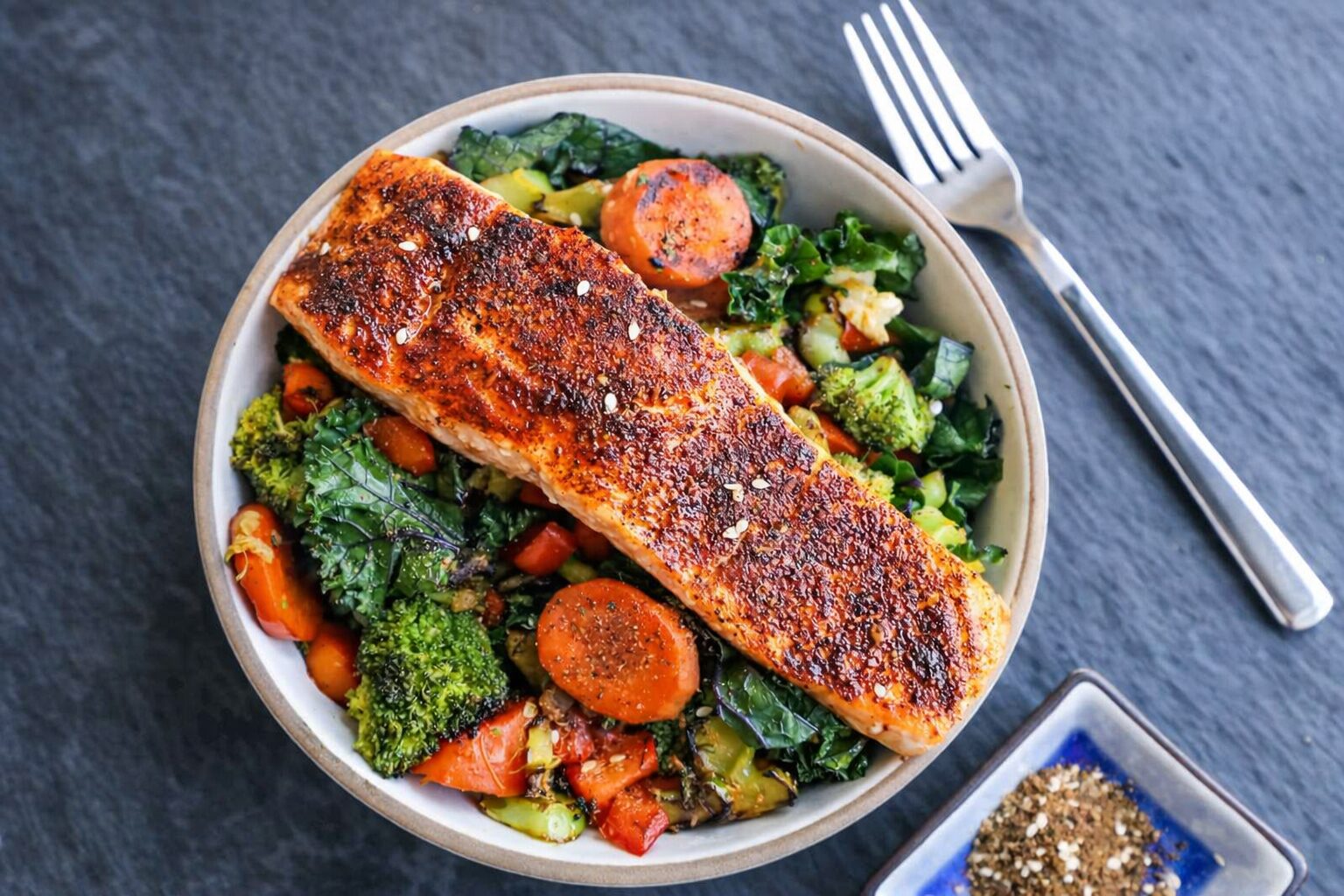
You bought that gorgeous ruby-red fillet, and now you’re staring at it like, “Okay… how long to cook sockeye salmon without ruining it?” I get it. Sockeye isn’t cheap, and nobody wants dry, chalky fish for dinner.
I’ve cooked sockeye more times than I can count. I’ve overcooked it once. Just once. That heartbreak taught me everything about sockeye salmon cooking time. So let’s make sure you nail it on the first try.

Why Sockeye Salmon Cooks Differently
Sockeye isn’t your average salmon. It has:
- Lower fat content than Atlantic salmon
- Firm, dense flesh
- A bold, rich flavor
That means it cooks faster and dries out quicker. Ever wondered why your sockeye turns dry while your friend’s Atlantic salmon stays buttery? Fat content. Simple as that.
So timing matters. A lot.
The Golden Rule: Internal Temperature
Before we talk minutes, let’s talk temperature.
For perfectly cooked sockeye, aim for:
- 125°F (52°C) for medium-rare (juicy and tender)
- 130–135°F (54–57°C) for medium
- 145°F (63°C) if you want it fully cooked (USDA standard)
IMO, 125°F gives the best texture. You keep it moist, flaky, and flavorful. Push it to 145°F and you risk dryness. Not tragic, but not magic either.
How Long to Cook Sockeye Salmon in the Oven
Oven baking feels safe and easy. And honestly? It works beautifully.
At 400°F (200°C)
- 6 oz fillet: 10–12 minutes
- 1-inch thick fillet: 12–14 minutes
You want the flesh to flake easily but still look slightly translucent in the center.
I always pull it out at 11 minutes and check. Why gamble when you can peek?
Pro Tip
Place the salmon on parchment paper and cook it on the center rack. That keeps the heat even and prevents overcooking on the bottom.
How Long to Cook Sockeye Salmon in a Pan
Pan-searing gives you that crispy crust. And yes, that crust changes everything.
Medium-High Heat (375°F surface temp)
- Skin-side down: 4–5 minutes
- Flip and cook: 3–4 minutes
Total: 7–9 minutes
The key? Don’t move it around. Let it form a crust. If you keep poking it, you break the magic.
Want to know if it’s ready to flip? It releases easily from the pan. If it sticks, it’s not ready. Patience wins here.
How Long to Grill Sockeye Salmon
Grilling adds smoky flavor. It also dries fish quickly if you overdo it.
Medium Heat Grill
- Direct heat: 4–5 minutes per side
- Total: 8–10 minutes
Brush the grates with oil. Sockeye loves to stick, and scraping fish off a grill ruins your mood fast.
I once ignored that step. Let’s just say the grill ate half my fillet :/
Air Fryer Sockeye Salmon Cooking Time
Air fryers make everything faster. Sockeye included.
At 390°F (200°C)
- 6 oz fillet: 7–9 minutes
Check at 7 minutes. Air fryers run hot and aggressive. They don’t play around.
You get crisp edges and juicy centers when you time it right. You get fish jerky if you don’t.
Thickness Changes Everything
Stop guessing by weight. Thickness matters more.
Here’s a quick cheat sheet:
- ½ inch thick → 6–8 minutes total
- 1 inch thick → 10–12 minutes total
- 1½ inches thick → 14–16 minutes total
Ever noticed how the thin tail section cooks faster? That’s why I sometimes fold it under or cook thicker center cuts only.
Signs Your Sockeye Is Perfectly Cooked
Don’t rely on time alone. Look for these signals:
- Flesh flakes easily with a fork
- Center looks slightly translucent
- Internal temp hits 125–130°F
- Juices look clear, not milky
If white stuff (albumin) oozes out heavily, you cooked it too hot. It’s safe to eat, but it screams “overcooked.”

Common Mistakes That Ruin Sockeye
Let’s save you some frustration.
1. Cooking It Like Atlantic Salmon
Sockeye cooks faster. Treating it the same leads to dryness.
2. Starting with Cold Fish
Let it sit at room temp for 10–15 minutes. Even cooking depends on this.
3. Overcrowding the Pan
Give each fillet space. Steam kills crispiness.
4. Ignoring Carryover Cooking
Salmon keeps cooking after you remove it from heat. Always pull it slightly early.
Comparing Cooking Methods (Quick Breakdown)
Here’s how each method stacks up:
- Oven → Most forgiving, best for beginners
- Pan-seared → Best flavor and crust
- Grill → Smoky and bold
- Air fryer → Fastest option
Which one should you pick? Depends on your mood. Want crispy skin? Use a pan. Want easy cleanup? Use the oven.
My Personal Go-To Method
I pan-sear 90% of the time. I heat olive oil, place the salmon skin-side down, and let it cook undisturbed. Then I baste it with butter for the last 2 minutes.
That butter basting? Game changer.
You get:
- Crispy skin
- Moist interior
- Rich flavor
And honestly, it feels fancy without much effort 🙂
How to Avoid Dry Sockeye Every Time
Here’s my simple formula:
- Pat salmon dry
- Season generously
- Cook to 125°F
- Rest for 2–3 minutes
That’s it. No complicated marinades required.
Ever noticed restaurants never overcook salmon? They use thermometers. So should you.

Does Marinating Change Cooking Time?
Short answer: Not really.
Long answer: Acid-heavy marinades (like lemon) can slightly “cook” the surface. That makes it seem firmer faster, but internal cooking time stays roughly the same.
So stick to your temperature guide, not guesswork.
Frozen vs Fresh Sockeye Cooking Time
Cooking from frozen? You can, but expect:
- Add 3–5 extra minutes
- Cook at slightly lower heat
Fresh sockeye gives better texture. Frozen works fine, but thaw it overnight in the fridge if possible. FYI, quick microwave thawing often creates uneven cooking.
Quick Reference: Sockeye Salmon Cooking Time Chart
Here’s your no-nonsense summary:
- Oven 400°F → 10–14 minutes
- Pan-seared → 7–9 minutes
- Grill → 8–10 minutes
- Air fryer 390°F → 7–9 minutes
- Internal temp target → 125–130°F
Screenshot that. Save it. Use it.
Final Thoughts: Timing Is Everything
So, how long to cook sockeye salmon? Long enough to hit 125°F. Not a minute more.
You don’t need fancy techniques. You need attention and a thermometer. Once you master sockeye salmon cooking time, you unlock juicy, flavorful fish every single time.
Next time you cook it, trust yourself. Pull it slightly early. Let it rest. Slice into it and enjoy that perfect flake.
And if you ever doubt the timing? Just remember: you can always cook it more. You can’t uncook it.
Now go make that salmon shine.
Did You Try Our Recipe ?
Scrumptious
My husband (who is extremely picky) loved the liver & onions so much!! I didn’t have any beef broth or Sherry so I used about a tbl of Worcestershire and 1/4 c of white wine …..it was scrumptious
Response from MeatRecipesBox
Oh wow, I’m so happy to hear that!! 😍 I love that you made it work with what you had on hand — Worcestershire and white wine sound like a delicious twist. So glad your husband enjoyed it, especially being picky! Thank you for sharing your version, it makes me smile knowing it turned out scrumptious!
This was amazing
This recipe turned out really amazing! It’s juicy and spiced deliciously. I definitely would use less of the spicy pepper next time, but it really was delicious and I don’t think I’ll make chicken legs any other way from now on.!
Response from MeatRecipesBox
Thank you for taking the time to leave such a thoughtful review. I’m really glad to hear the recipe turned out juicy and full of flavor for you. That’s exactly what I was hoping for when putting it together. Good call on the spicy pepper as well. Adjusting the heat level to your own taste is always the best approach, and using a little less next time should make it just right for you. I really appreciate you trying the recipe and sharing your experience. It’s great to know it worked so well for you.
I Didn’t Expect This Cornbeef Hash Recipe to Taste This Good!!
One skillet. A handful of simple ingredients. Thirty minutes on the clock. And somehow… I ended up with the crispiest, most comforting cornbeef hash recipe I’ve made in years.
I wasn’t expecting much—just a quick, no-fuss meal. But that first bite? Crispy edges, tender potatoes, smoky corned beef, a little kick of pepper. It tasted like something straight off a cozy diner griddle.
Honestly, it caught me off guard—in the best way. Here’s why this simple skillet completely won me over.