
A roast leg of lamb is the Easter Sunday centerpiece that looks like a week of work and takes about 20 minutes of it. You rub it with garlic, rosemary and lemon, blast it hot, drop the oven, and let a thermometer tell you when it’s done. That’s the whole trick.

The 30-second answer
Rub a 6–7 lb bone-in leg of lamb with garlic, rosemary, lemon zest, olive oil and salt. Roast at 450°F for 20 minutes, then at 325°F until the thickest part reads 130°F (about 15–20 min per pound after the sear, roughly 1 hr 45 total). Rest it 20 minutes under loose foil. It’ll climb to about 135°F, which is a rosy medium-rare. Carve against the grain and serve with the pan juices.
Jump to
How long to cook a leg of lamb (per pound)
At 325°F, a bone-in leg needs 20–25 minutes per pound for medium-rare, according to the American Lamb Board’s cooking guide. My version starts with a 20-minute blast at 450°F, which browns the crust and shaves some time off the low-heat stretch.
Still, per-pound math is only a starting point. Leg shape, how cold it was going in, and your oven all move the clock. Start checking early.
| Leg of lamb | Weight | Medium-rare (pull at 130°F) | Medium (pull at 140°F) |
|---|---|---|---|
| Bone-in, 450°F 20 min then 325°F | 5 lb | 1 hr 20 – 1 hr 35 total | 1 hr 35 – 1 hr 50 total |
| Bone-in, 450°F 20 min then 325°F | 6–7 lb | 1 hr 40 – 2 hr total | 2 hr – 2 hr 20 total |
| Bone-in, 450°F 20 min then 325°F | 8 lb | 2 hr – 2 hr 20 total | 2 hr 20 – 2 hr 40 total |
| Boneless, rolled & tied, same method | 3–4 lb | 1 hr – 1 hr 15 total | 1 hr 15 – 1 hr 30 total |
| Boneless, rolled & tied, same method | 5 lb | 1 hr 20 – 1 hr 35 total | 1 hr 35 – 1 hr 50 total |
Times assume the lamb sat out 1 hour before roasting. Straight from the fridge, add 15–20 minutes. Always go by the thermometer, not the clock.
Lamb internal temperature: when to pull it
Medium-rare
130°FPull here. Rests up to ~135°F. Rosy pink, juicy. My pick for Easter.
Medium
140°FRests up to ~145°F. Pale pink center, still tender.
Well done
155°FRests to ~160°F. Grey through, firmer. Slice thinner.
Food-safety note: the USDA safe minimum for whole cuts of lamb is 145°F with a 3-minute rest. That lands at medium. Most cooks and restaurants serve leg of lamb medium-rare, but if you’re feeding anyone pregnant, elderly or immunocompromised, pull at 140°F.
Bone-in or boneless leg of lamb for Easter?
Go bone-in if you want the showpiece. It looks spectacular on the table, the bone keeps the meat around it juicier, and you get a shank bone for stock afterward. The catch is carving: you slice around the bone rather than straight through.
Go boneless if you want it easy. A butcher-tied boneless leg cooks faster and more evenly. And you can unroll it, spread the garlic-herb paste inside, and re-tie it, so every slice gets a swirl of flavor. It carves like a loaf of bread.
How much leg of lamb per person?
Plan on ¾ lb bone-in or ½ lb boneless per person. A 6–7 lb bone-in leg feeds 8–10 people with some left for Monday. Hosting 12? Buy an 8–9 lb leg or two boneless 4-pounders side by side. Order ahead: in the two weeks before Easter, butchers sell out of whole legs fast.
Ingredients (serves 8–10)
Garlic-Rosemary Roast Leg of Lamb
The lamb
- 1 bone-in leg of lamb, 6–7 lb (2.7–3.2 kg), fat cap trimmed to about ¼ inch
- 1 tbsp kosher salt (Diamond Crystal; use 2 tsp if Morton), for dry-brining
Garlic-herb paste
- 8 garlic cloves: 4 grated, 4 cut into thin slivers
- 3 tbsp fresh rosemary, finely chopped, plus 4 whole sprigs
- 1 tbsp fresh thyme leaves
- Zest of 1 lemon, plus 2 tbsp juice
- 1 tbsp Dijon mustard
- ¼ cup (60 ml) extra-virgin olive oil
- 1½ tsp freshly cracked black pepper
Roasting pan
- 2 lb (900 g) baby potatoes, halved
- 4 carrots, cut into 2-inch lengths
- 2 red onions, quartered
- 1 whole garlic head, halved across
- 1 cup (240 ml) low-sodium chicken or beef stock
Pan sauce
- Pan drippings + 1 cup more stock
- 1 tbsp flour or 2 tsp cornstarch
- 1 tbsp butter, squeeze of lemon
No wine in this one. The lemon and Dijon bring the acidity wine usually would, and the stock gives the pan sauce body. Don’t have fresh rosemary? Use a third of the amount dried, crushed between your fingers.
How to roast a leg of lamb, step by step

1. Dry-brine (the night before, or at least 2 hours ahead)
- Pat the lamb dry. Score the fat cap in a shallow ½-inch crosshatch, without cutting into the meat.
- Rub the kosher salt all over. Set it on a rack over a tray, uncovered, in the fridge overnight. The salt seasons deep into the meat and dries the surface for a better crust.
2. Stud and rub (20 min, Easter morning)
- Take the lamb out 1 hour before roasting. Heat the oven to 450°F (230°C) with a rack in the lower third.
- With a paring knife, make 12–15 small slits about 1 inch deep all over. Push a garlic sliver and a few rosemary needles into each.
- Mash the grated garlic, chopped rosemary, thyme, lemon zest and juice, Dijon, olive oil and pepper into a paste. Smear it over every surface.
3. Build the pan
- Toss the potatoes, carrots, onions and halved garlic head with a drizzle of oil and a pinch of salt. Spread them in a large roasting pan with the rosemary sprigs.
- Set the lamb on top, fat side up. Pour 1 cup of stock around the vegetables, not over the meat.
4. Sear hot, then roast low
- Roast at 450°F for 20 minutes until the outside starts to sizzle and brown.
- Drop the oven to 325°F (165°C). Keep roasting, stirring the vegetables once halfway. Add a splash of water if the pan looks dry.
- Start checking at the 1-hour mark. Push an instant-read thermometer into the thickest part of the leg, not touching bone. Pull at 130°F for medium-rare.
5. Rest, then make the pan sauce
- Move the lamb to a board. Tent loosely with foil and rest 20 minutes. Move the vegetables to a dish and keep them warm.
- Set the roasting pan over medium heat. Whisk the flour into the drippings for 1 minute, then add 1 cup stock, scraping up the browned bits. Simmer 3–4 minutes, finish with butter and lemon, and strain into a jug.
Why the two temperatures? A hot start browns the outside fast. The low finish cooks the inside gently, so you get pink from edge to center instead of a thick grey ring under the crust. It’s the same idea we use on our standing rib roast.
Watch it done (video)
Jamie Oliver studs the leg with garlic and rosemary and roasts it over vegetables, the same basic setup as above. Watch how he checks doneness and carves.
How do you rest and carve a leg of lamb?
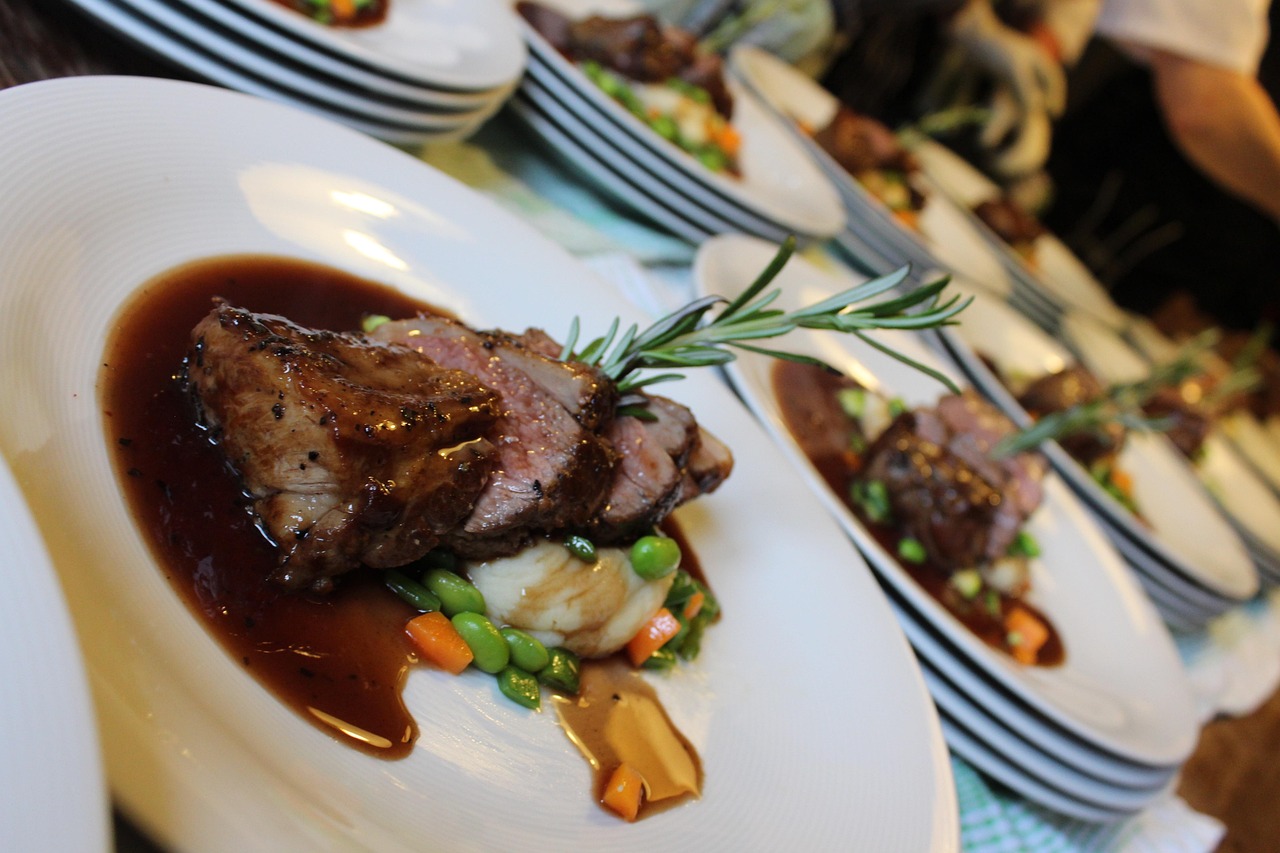
Rest it at least 15 minutes, ideally 20. A 6-lb leg keeps cooking by about 5°F off the heat, and the juices settle back into the meat instead of running all over your board. It won’t go cold. A big roast under foil holds its heat for 30 minutes or more.
Carving a bone-in leg
- Hold the shank end with a towel, meaty side up.
- Cut a wedge near the shank, then make parallel slices ¼ inch thick, straight down to the bone.
- Run your knife along the bone horizontally to release the slices.
- Turn the leg over and repeat on the other side. Slice what’s left around the bone for seconds.
Carving a boneless leg
Snip off the twine, then slice straight across in ¼-inch rounds. The muscles in a leg run in different directions, so if a slice looks stringy, turn the roast and cut across the grain.
Easter Sunday game plan (for a 1:00 pm lunch)
Here’s the schedule I use so the lamb, potatoes and sauce all land together. Shift every step if you’re eating later.
In 2027, Easter Sunday falls on March 28. That’s an early one, so order your leg from the butcher by mid-March.
What sauces and sides go with leg of lamb?
You want something sharp to cut the richness of the lamb, something starchy for the juices, and something green for spring. You’re already covered on potatoes, since they roasted under the lamb.
Sauces
- Fresh mint sauce: 1 packed cup chopped mint, 2 tbsp sugar, 3 tbsp boiling water, 4 tbsp white wine vinegar or cider vinegar. Stir, then let it sit 30 minutes. It’s the British classic and nothing like the jarred jelly.
- Salsa verde: parsley, mint, capers, lemon, olive oil. Bright and punchy.
- Pan gravy: the pan sauce above. For a thicker, darker version, follow our roast gravy from drippings method. It works the same with lamb.
- Tzatziki or lemony yogurt: great if you went Greek with oregano instead of rosemary.
Sides for the Easter table
- Roasted asparagus with lemon zest, which is peak season in spring
- Buttered peas with mint
- Greek lemon potatoes. The method from our Greek lemon chicken and potatoes works just as well next to lamb.
- Honey-glazed carrots
- A crisp green salad with a sharp vinaigrette
Two variations worth trying
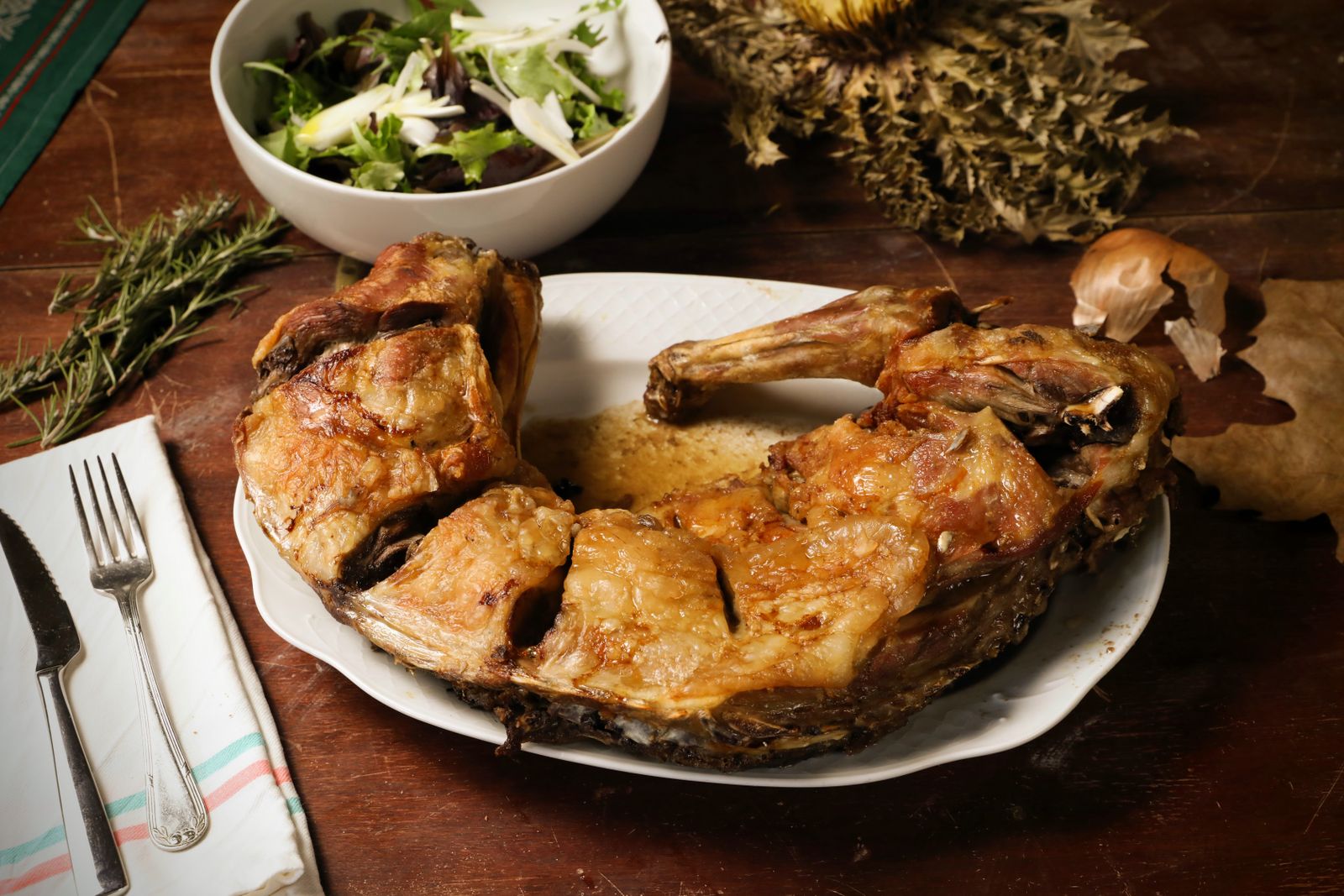
Slow-roasted, fall-apart leg of lamb
Want to skip the thermometer and carving altogether? Roast the rubbed leg covered at 300°F for 5–6 hours with 2 cups of stock in the pan, then uncover it for the last 30 minutes at 400°F. It won’t be pink. It’ll pull apart with a spoon, and that’s the point. If you love this texture, our braised lamb shanks are the weeknight version.
Greek-style with oregano and lemon
Swap the rosemary for 2 tbsp dried oregano, double the lemon juice, and add a big handful of potato wedges tossed in lemon. This is the Easter lamb you’ll find in half the kitchens in Greece.
Common mistakes (and quick fixes)
What goes wrong most often
- Cooking by the clock: legs vary a lot in shape. A thin 6-lb leg can finish 25 minutes ahead of a chunky one. A $15 instant-read thermometer is the best Easter purchase you’ll make.
- Roasting it fridge-cold: the outside overcooks before the center warms up. Give it an hour on the counter.
- Carving right away: you’ll lose a pool of juice on the board. Rest it for 20 minutes.
- Gamey taste: most of it lives in the thick fat cap. Trim it to ¼ inch, and choose American or New Zealand lamb if you prefer a milder flavor.
- Thermometer on the bone: the bone reads hotter than the meat. Aim for the center of the thickest muscle.
Leftovers: storage and what to make
- Fridge: up to 4 days, sliced, in an airtight container with a spoonful of pan juices.
- Freezer: up to 3 months. Thaw overnight in the fridge.
- Reheat: gently, covered, at 300°F with a splash of stock for about 10 minutes. Or skip reheating and eat it cold in sandwiches.
- Monday ideas: lamb pita with tzatziki, shepherd’s pie with the chopped meat, or a lamb and potato hash. Save the bone for soup.
Questions people ask about Easter leg of lamb
Should I cover a leg of lamb when roasting?
No, not for the classic pink roast. Leave it uncovered so the fat renders and the crust browns. Only cover it if the outside is getting too dark before the center is ready, or if you’re doing the 5-hour slow roast. Always tent it loosely with foil while it rests.
What temperature should the oven be for leg of lamb?
Start at 450°F for 20 minutes to brown it, then roast at 325°F until done. A steady 350°F the whole way also works. It’s a bit faster, but you’ll get a thicker grey band under the crust. For fall-apart lamb, go low and slow at 300°F, covered.
How long does a 5 lb leg of lamb take to cook?
A 5-lb bone-in leg takes about 1 hour 20 minutes to 1 hour 35 minutes total for medium-rare with the 450°F-then-325°F method. A 5-lb boneless leg takes about the same. Start checking at the 1-hour mark, then pull it at 130°F.
Can I prepare leg of lamb the day before Easter?
Yes. Salt it and rub it with the garlic-herb paste the day before, then keep it in the fridge uncovered overnight. That actually improves the flavor. Don’t roast it a day ahead, though. Reheated leg of lamb loses its pink center.
Why is lamb traditional at Easter?
It goes back to the Jewish Passover lamb and the Christian symbol of Christ as the “Lamb of God.” There’s also a practical reason. Spring was historically when young lamb was ready, so it naturally became the feast meat. The tradition is strongest in Greece, Italy, the UK and the Middle East.
Is leg of lamb better than rack of lamb for a crowd?
For 6 or more people, yes. A leg is cheaper per pound, easier to cook evenly, and gives you plenty of slices. Rack of lamb is elegant, but you need one rack for every 2–3 guests. For a smaller Easter dinner, try our herb-crusted rack of lamb.
Did You Try Our Recipe ?
Scrumptious
My husband (who is extremely picky) loved the liver & onions so much!! I didn’t have any beef broth or Sherry so I used about a tbl of Worcestershire and 1/4 c of white wine …..it was scrumptious
Response from MeatRecipesBox
Oh wow, I’m so happy to hear that!! 😍 I love that you made it work with what you had on hand — Worcestershire and white wine sound like a delicious twist. So glad your husband enjoyed it, especially being picky! Thank you for sharing your version, it makes me smile knowing it turned out scrumptious!
This was amazing
This recipe turned out really amazing! It’s juicy and spiced deliciously. I definitely would use less of the spicy pepper next time, but it really was delicious and I don’t think I’ll make chicken legs any other way from now on.!
Response from MeatRecipesBox
Thank you for taking the time to leave such a thoughtful review. I’m really glad to hear the recipe turned out juicy and full of flavor for you. That’s exactly what I was hoping for when putting it together. Good call on the spicy pepper as well. Adjusting the heat level to your own taste is always the best approach, and using a little less next time should make it just right for you. I really appreciate you trying the recipe and sharing your experience. It’s great to know it worked so well for you.
I Didn’t Expect This Cornbeef Hash Recipe to Taste This Good!!
One skillet. A handful of simple ingredients. Thirty minutes on the clock. And somehow… I ended up with the crispiest, most comforting cornbeef hash recipe I’ve made in years.
I wasn’t expecting much—just a quick, no-fuss meal. But that first bite? Crispy edges, tender potatoes, smoky corned beef, a little kick of pepper. It tasted like something straight off a cozy diner griddle.
Honestly, it caught me off guard—in the best way. Here’s why this simple skillet completely won me over.


