NEW The BBQ grilling guide 2026 is live Read it →
Simple Salmon Pasta Recipe (Quick & Easy) Jump to recipe
HOME SALMON SIMPLE SALMON PASTA RECIPE
RECIPE · SALMON

Simple Salmon Pasta Recipe (Quick & Easy)

E
By Emma Delacourt · March 3, 2026 · 11 min read
simple salmon pasta recipe

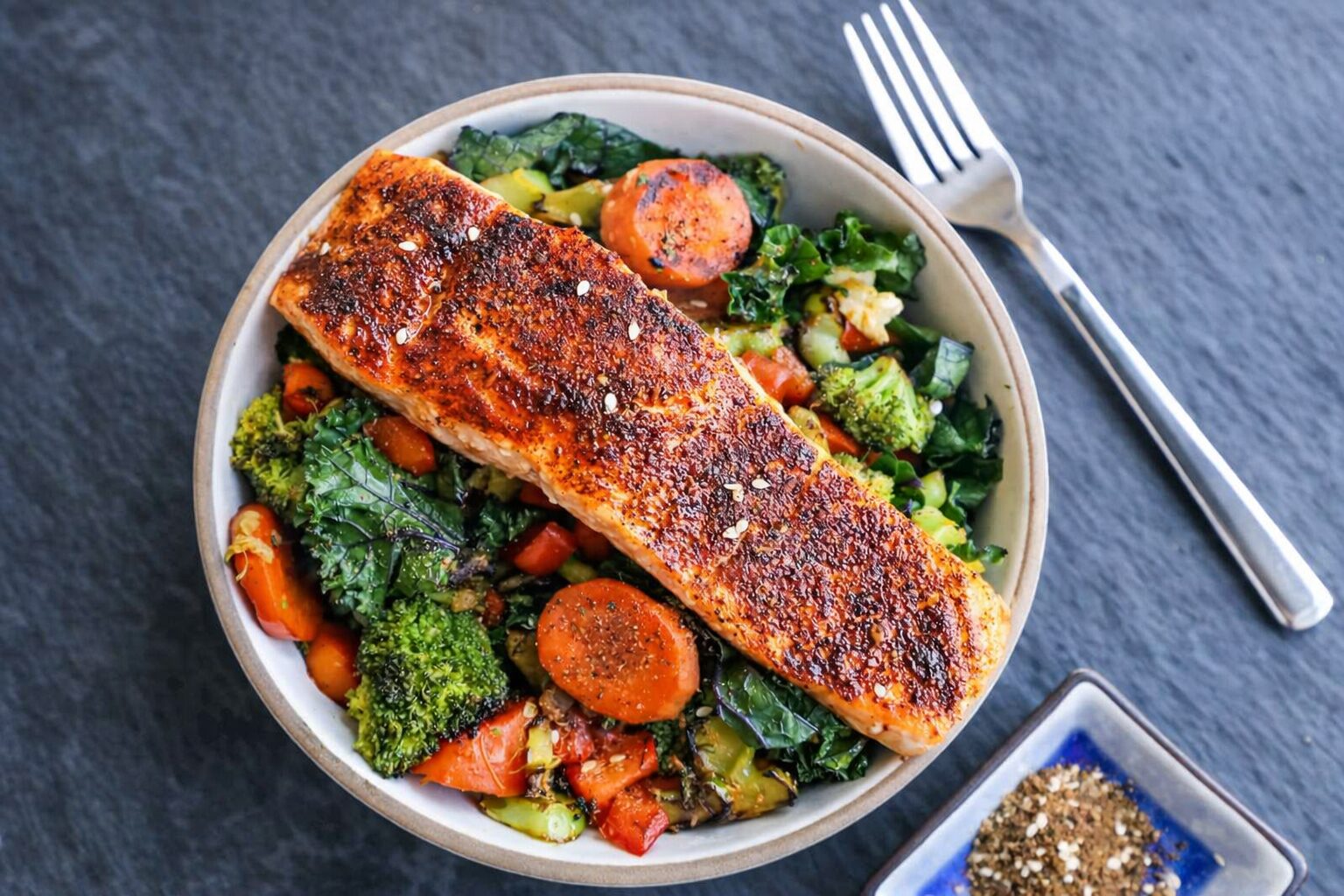
This salmon pasta puts a seared fillet on top of linguine tossed in a lemon-cream sauce with wilted spinach. The entire dish takes 25 minutes and uses one skillet plus one pot of boiling water. The technique that makes it work: sear the salmon first, build the sauce in the same pan using the rendered omega-3 fat as the flavor base, then toss the pasta directly in the sauce so it absorbs every drop.

Most salmon pasta recipes overcook the fish by simmering it in the sauce. Here the salmon sears separately, rests while you build the sauce, and goes on top at the very end — so the crust stays intact and the center stays pink.

Prep10 min
Cook15 min
Total25 min
Servings4
Calories520

Why This Salmon Pasta Works

  • Salmon fat as sauce base. The rendered fat from searing replaces the butter or oil most cream sauces start with. It adds an omega-3 richness and subtle fish flavor that ties the protein and pasta together.
  • Lemon-cream, not heavy cream. ½ cup cream + juice of one lemon. The acidity cuts through the richness and prevents the sauce from feeling heavy. The lemon also brightens the salmon flavor.
  • Spinach wilted in the sauce. Two handfuls of baby spinach stirred into the hot sauce wilt in 30 seconds and add color, iron, and a vegetal contrast to the rich cream.
  • Salmon on top, not in the sauce. Searing the salmon separately and placing it on the pasta at serving preserves the crispy crust. Mixing it into the sauce turns it into flakes and softens the sear.

Ingredients

Ingredients — Serves 4
  • 4 salmon fillets (6 oz each, skin-on)
  • 12 oz linguine or fettuccine
  • 1 tbsp olive oil
  • 4 cloves garlic, minced
  • ½ cup heavy cream
  • Juice of 1 lemon + zest
  • 2 large handfuls baby spinach (about 3 cups)
  • ½ cup Parmesan, freshly grated
  • ½ cup reserved pasta water
  • Salt + black pepper to taste
  • Red pepper flakes (optional)
Skin-on salmon sears better because the skin acts as a protective barrier between the delicate flesh and the hot pan. It crisps into an edible, crunchy layer. If you prefer skinless, sear flesh-side down first and handle gently when flipping.

How to Make Salmon Pasta

  1. Cook pasta. Boil linguine in heavily salted water until 1 minute short of al dente. Reserve ½ cup of the starchy cooking water before draining. The pasta finishes cooking in the sauce.
  2. Sear the salmon. While pasta cooks, pat salmon dry and season with salt and pepper. Heat olive oil in a large skillet over medium-high. Place fillets skin-side down. Sear 4 minutes without moving — the skin should be golden and crispy. Flip and cook 2 minutes more. The center should be slightly translucent (it continues cooking from residual heat). Transfer to a plate.
  3. Build the sauce in the salmon fat. Reduce heat to medium. The pan still has rendered salmon fat and fond. Add garlic and cook 30 seconds. Pour in heavy cream and lemon juice. Stir to combine. The cream will pick up all the browned bits from the bottom of the pan.
  4. Toss pasta and spinach. Add drained pasta and spinach directly to the sauce. Toss with tongs for 60 seconds — the spinach wilts from the heat, the pasta absorbs the sauce, and the starch from the pasta surface thickens everything. Add reserved pasta water 2 tablespoons at a time if the sauce is too thick.
  5. Finish and serve. Remove from heat. Stir in Parmesan and lemon zest. Divide pasta among plates. Place a seared salmon fillet on top of each portion. The salmon goes on last to protect the crust. Garnish with red pepper flakes if desired.
Why pasta water thickens the sauce. Pasta cooking water contains dissolved amylose starch released from the noodles during boiling. When this starchy water meets the cream-based sauce, the amylose molecules act as a natural thickener and emulsifier — they bind the fat and water phases together into a smooth, clingy sauce that coats each strand. This is the same principle behind every great Italian pasta sauce: the cooking water is not waste, it is an ingredient. See our miso glazed salmon for another seared salmon technique. Reference: Serious Eats pasta finishing technique.

Pro Tips

Do Not Overcook the Salmon

Salmon continues cooking off-heat for 2–3 minutes. Pull it while the center is still slightly translucent — it will be perfect by the time you plate. Fully opaque salmon from the pan is overcooked salmon on the plate.

Salt the Pasta Water Aggressively

The water should taste like the sea. Under-salted pasta tastes flat no matter how good the sauce is. The noodles absorb salt during cooking, seasoning them from the inside out.

Variations

Creamy Tuscan

Add sun-dried tomatoes and kalamata olives to the garlic step. Replace spinach with kale. The Mediterranean flavors pair naturally with salmon.

Lemon Caper

Add 2 tbsp capers with the garlic. Skip the cream — use ¾ cup pasta water + 2 tbsp butter for a lighter, brighter sauce.

Smoked Salmon

Skip the searing step. Flake cold-smoked salmon into the finished pasta after removing from heat. The residual warmth releases the smoke flavor without cooking the fish further.

Pesto

Replace the cream sauce with 3 tbsp basil pesto thinned with pasta water. Toss with the pasta, top with seared salmon. Brighter, herbier, no cream.

Storage

❄️
Refrigerator
Store pasta and salmon separately up to 2 days. The sauce thickens when cold — add a splash of cream or pasta water when reheating.
🔥
Reheating
Warm pasta in a skillet with a splash of cream. Microwave the salmon separately for 30 seconds or eat it cold on top.

Nutrition

NutrientAmount
Calories520 kcal
Protein38g
Carbohydrates45g
Fat22g
Omega-32.2g
Iron15% DV

Common Mistakes

Cooking salmon in the sauce. Simmering salmon in cream sauce turns it into flakes and softens the seared crust. Sear separately, place on top at serving.
Draining all the pasta water. Reserve ½ cup before draining. The starchy water is the emulsifier that turns cream + lemon + Parmesan into a cohesive sauce instead of a broken, greasy mess.
Adding spinach too early. Spinach goes in with the pasta, not with the garlic. Adding it early turns it to mush. 60 seconds of tossing is enough to wilt it while keeping its color and texture.

Frequently Asked Questions

What pasta shape works best with salmon?
Linguine and fettuccine are ideal — long, flat noodles that the cream sauce clings to. Penne works if you prefer a chunkier bite. Avoid thin spaghetti — the sauce slides off.
Can I use canned salmon?
Yes, but skip the searing step. Drain and flake the canned salmon directly into the finished sauce. The texture is softer and the flavor milder, but it works for a budget-friendly version.
How do I know when salmon is done?
The flesh should flake easily with a fork but still be slightly translucent in the very center. Internal temp of 125°F for medium (recommended) or 145°F for well done. Carryover heat adds 5–10°F during resting.
Can I make this without cream?
Yes. Replace cream with ¾ cup pasta water + 2 tbsp butter + extra Parmesan. The starch, fat, and cheese emulsify into a silky sauce that is lighter but still rich. Add lemon juice for brightness.

Sear the salmon, build the sauce in the same pan, toss with pasta and spinach, place the fillet on top — that is the complete method for salmon pasta in 25 minutes.

Save This Salmon Pasta Recipe

Pin it for your next weeknight dinner — restaurant quality, 25 minutes.

Save to Pinterest
Emma Delacourt

Emma Delacourt

Recipe Developer & Founder, MeatRecipesBox

Emma has been developing and testing meat recipes since 2019. She focuses on temperature precision, food science, and making restaurant-quality results accessible for home cooks. Every recipe on this site is tested multiple times before publishing.

Read full bio →

Some links may be affiliate links. As an Amazon Associate, we earn from qualifying purchases.

More salmon recipes

View all →
THE SUNDAY EMAIL

Get the Sunday email

One tested recipe every Sunday. No junk.