
- Prep20 min
- Cook15 min
- Total35 min
- Serves4
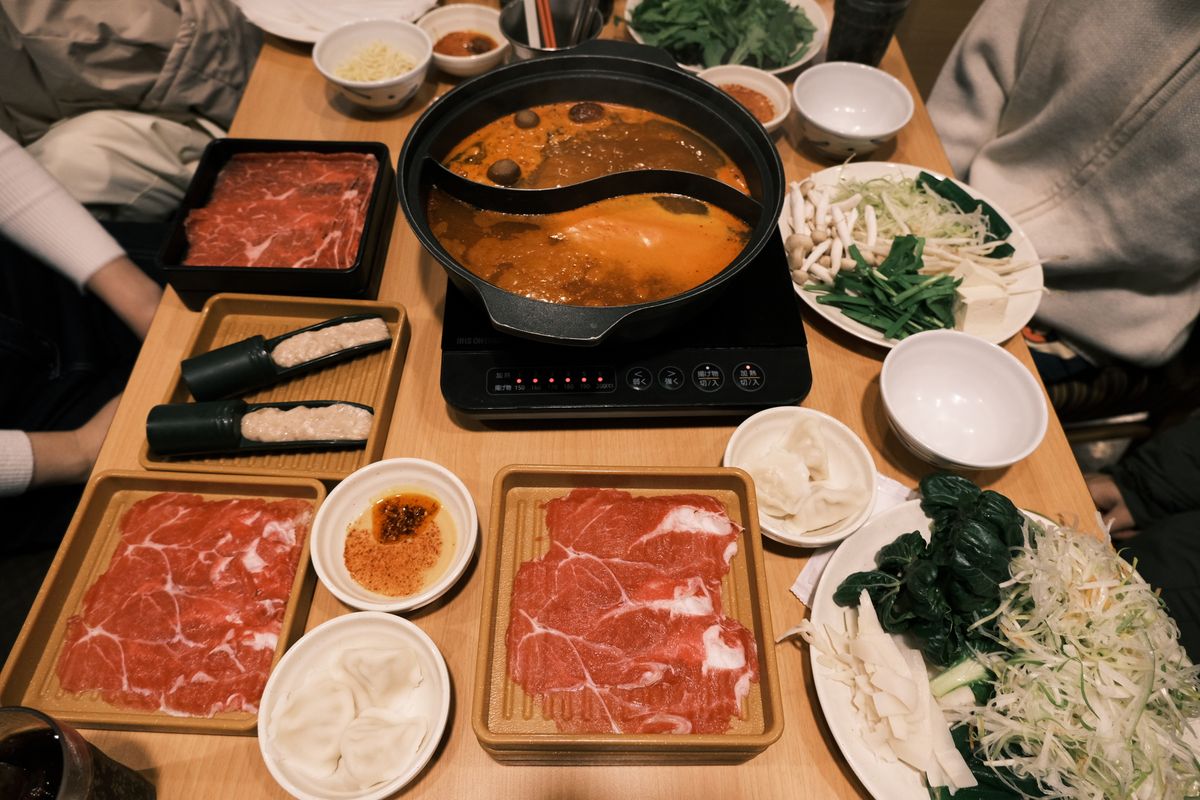
If you’ve eaten at a Japanese steakhouse in the West, you’ve probably had teriyaki. Hot pot is what Japanese families eat at home in winter — a pot in the center of the table, everyone cooking their own beef, everyone talking over the steam. Sukiyaki is the sweet, saucy one from the Kansai and Kanto regions; shabu shabu is the light, clean one that arrived from Osaka in the 1950s. Both belong in your rotation.
Sukiyaki vs shabu shabu: at a glance
| Sukiyaki | Shabu Shabu | |
|---|---|---|
| Cooking liquid | Sweet sauce (soy, mirin, sugar, sake) | Light kombu broth |
| Flavor | Sweet, savory, deep umami | Clean, pure, meat-forward |
| Beef thickness | 1.8–2.5 mm | 1.0–1.5 mm (thinner) |
| Cook time per slice | 1–2 min (simmer) | 3–10 seconds (swish) |
| Dipping sauce | Raw beaten egg | Ponzu or sesame (goma) sauce |
| Ends with | Udon noodles in the leftover sauce | Rice or udon in the broth |
| Vibe | Celebratory, rich, filling | Everyday, clean, lighter |
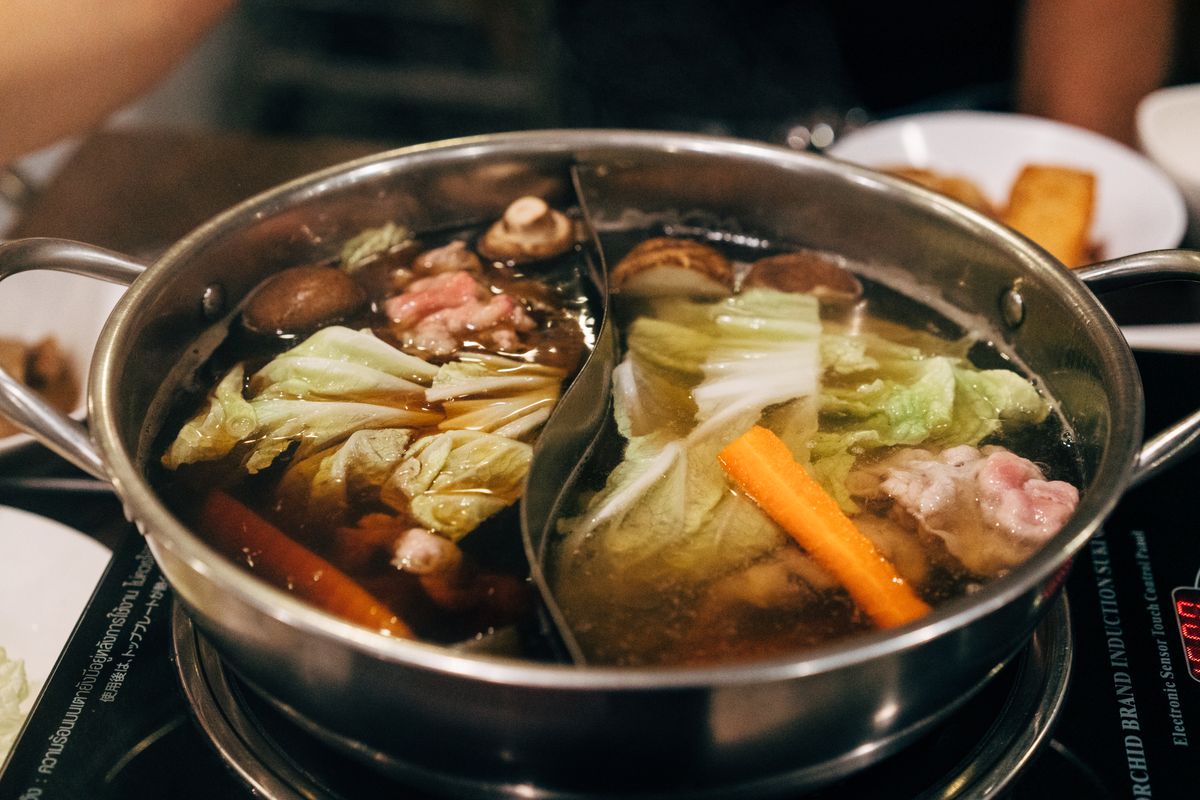
What is sukiyaki?
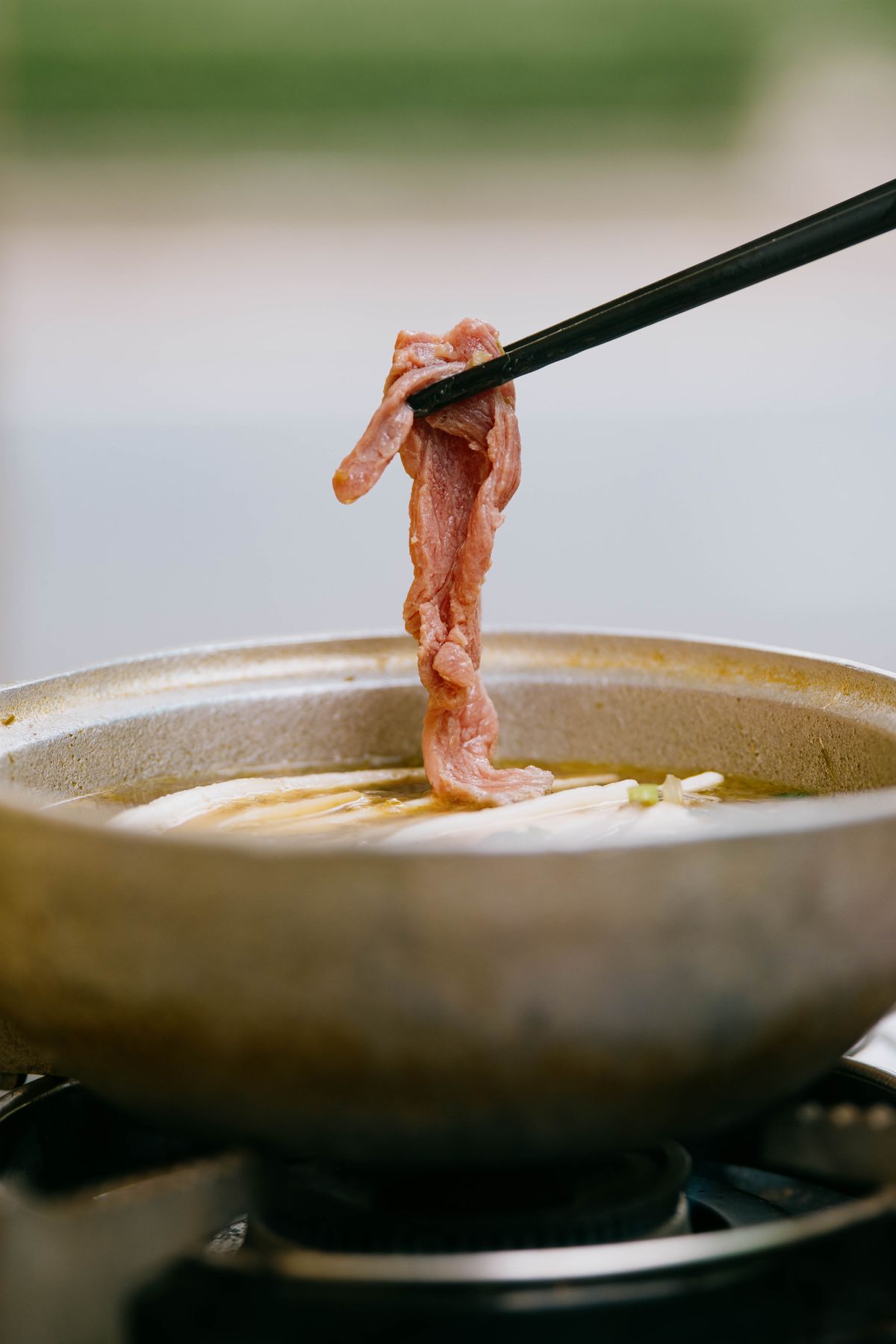
What is shabu shabu?
The beef: what to buy
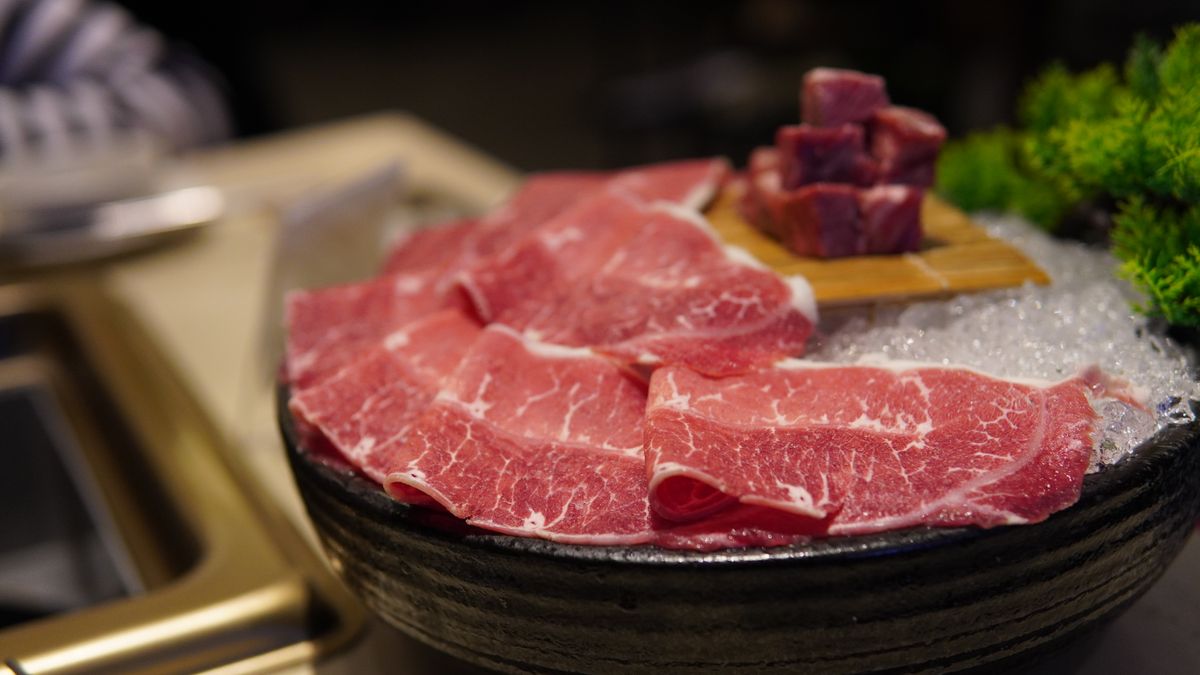
Both dishes stand or fall on the beef. What to look for:
- Cut: ribeye, chuck roll, sirloin, or short loin — all with visible marbling
- Grade: USDA Prime or better; Japanese wagyu (A4 or A5) if you can find it
- Thickness: 1.5–2.5 mm — impossible to slice this thin at home unless the beef is partially frozen (30 minutes in the freezer, then slice against the grain with a sharp knife)
- Best shortcut: pre-sliced beef labeled “sukiyaki” or “shabu shabu” from a Japanese, Korean, or Chinese grocery. This is the right move.
Ingredients (serves 4)
Shared for both pots:
- 1½ lb (700 g) beef, sliced 1.5–2 mm thick
- 1 block (14 oz) firm tofu, cubed
- 1 bunch napa cabbage, chopped
- 6 oz shiitake or enoki mushrooms
- 1 bunch shungiku (chrysanthemum greens) or spinach
- 1 leek or 4 scallions, sliced diagonally
- 7 oz shirataki noodles (drained, rinsed)
Sukiyaki warishita sauce:
- ½ cup soy sauce
- ½ cup mirin
- ¼ cup sake
- ¼ cup sugar
- 1 cup dashi or water
- 2 tsp beef tallow (or vegetable oil)
- 4 fresh eggs, for dipping (optional)
Shabu shabu broth + sauces:
- 1 piece (4-inch) kombu (dried kelp)
- 6 cups water
- Ponzu sauce (store-bought or homemade)
- Goma (sesame) sauce (store-bought or homemade)
- Grated daikon + chopped scallions, for garnish
How to make sukiyaki
- Mix the warishita. Combine soy sauce, mirin, sake, sugar, and dashi in a bowl. Warm gently to dissolve sugar.
- Heat the pot. Melt beef tallow in a heavy iron or cast-iron pot at the table on a portable burner. Medium-high heat.
- Sear a few slices. Add 3–4 beef slices to the pot and sear briefly — this builds the base flavor. Sprinkle with 1 tbsp sugar directly on the beef (traditional Kanto style).
- Pour in the warishita. Add about 1 cup to start. Bring to a simmer.
- Add ingredients in sections. Arrange tofu, mushrooms, cabbage, leek, and noodles around the beef. Do not stir everything together — sukiyaki is served in sections.
- Simmer and eat. Cook 3–5 minutes. Beat one egg in each diner’s bowl. Everyone picks pieces from the pot, dips into egg, eats. Add more warishita and ingredients as the pot empties.
- Finish with udon. When the beef and vegetables are gone, add cooked udon noodles to the leftover sauce for a final course.
How to make shabu shabu
- Make the broth. Place kombu in cold water in the pot. Heat slowly to a bare simmer (never boil kombu — it turns bitter). Remove kombu just before it boils. That’s the whole broth.
- Arrange the table. Set the pot on a portable burner at the table with beef, vegetables, tofu, and noodles on separate platters. Fill small bowls with ponzu and sesame sauces. Provide grated daikon and scallions.
- Start with vegetables. Add tougher vegetables (cabbage cores, mushrooms) to the pot first — they need 5–8 minutes to soften.
- Swish the beef. Each diner uses chopsticks to swish one beef slice through the broth for 3–10 seconds — until the pink just turns tan. Dip in ponzu or sesame sauce and eat.
- Alternate. Between beef slices, add tender greens and tofu, letting them cook 1–2 minutes. Skim any foam that forms on the broth surface.
- Finish with rice or noodles. The broth is now beef-enriched. Add cooked rice for ojiya (porridge) or udon noodles for the final course.
Watch the difference (video)
This side-by-side Tokyo hot pot showdown eats both dishes in the same night, showing exactly how the beef, broth, and sauces differ in real time.
Cooking times and temperatures
| What | Sukiyaki | Shabu Shabu |
|---|---|---|
| Broth/sauce temp | Gentle simmer (~190°F) | Bare simmer (~180°F) |
| Beef cook time | 1–2 minutes | 3–10 seconds |
| Vegetables | 3–5 minutes | 2–8 minutes |
| Tofu | 3–4 minutes | 2–3 minutes |
| Beef doneness | Pink to tan | Just tan (a whisper past pink) |
| Total table time | 30–45 min | 30–45 min |
Which one should I make?
Make sukiyaki if: you want something rich and sweet, you’re feeding people new to Japanese food, or you want a dish that feels celebratory. It’s the birthday dinner.
Make shabu shabu if: you have premium beef you want to taste clearly, you’re eating lighter, or you love a clean broth. It’s the perfect weeknight if you have the beef.
Common questions
Can I use regular beef instead of specially sliced beef?
You need it paper-thin. Freeze a whole ribeye or chuck roll for 30–45 minutes until firm but not solid, then slice with your sharpest knife against the grain. Or buy pre-sliced from a Japanese, Korean, or Chinese market — this is genuinely the shortcut everyone in Japan takes.
What if I can’t find shungiku (chrysanthemum greens)?
Substitute baby spinach, watercress, or even Swiss chard. Shungiku is preferred for its slightly bitter, floral note, but spinach works and is what most Western supermarkets carry.
Do I really eat raw egg with sukiyaki?
Yes, traditionally — the hot beef partially cooks it on contact, and the egg cools the meat while adding richness. Skip it if you can’t source pasteurized eggs, or use a slow-cooked onsen (63°C for 45 min) egg for the same texture with less risk.
Can I make either without a portable burner?
Yes — cook on the stove and bring the pot to the table on a trivet. It’s less interactive but flavor is identical. Reheat between rounds if the pot cools too much.
How do I store leftovers?
Sukiyaki: strain out solids and refrigerate separately from the sauce; recombine and reheat. Shabu shabu: save the broth (it’s now a beef stock — freeze it and use for soup). Both keep 2–3 days refrigerated.
Emma’s final note
The mistake I made my first time was treating shabu shabu like a soup — leaving beef in the pot for a minute or two, thinking longer meant better. It doesn’t. Three seconds. Count “one Mississippi, two Mississippi, three” and lift. Anything longer and you’ve overcooked wagyu you paid $40 a pound for. Sukiyaki is forgiving. Shabu shabu is not.


