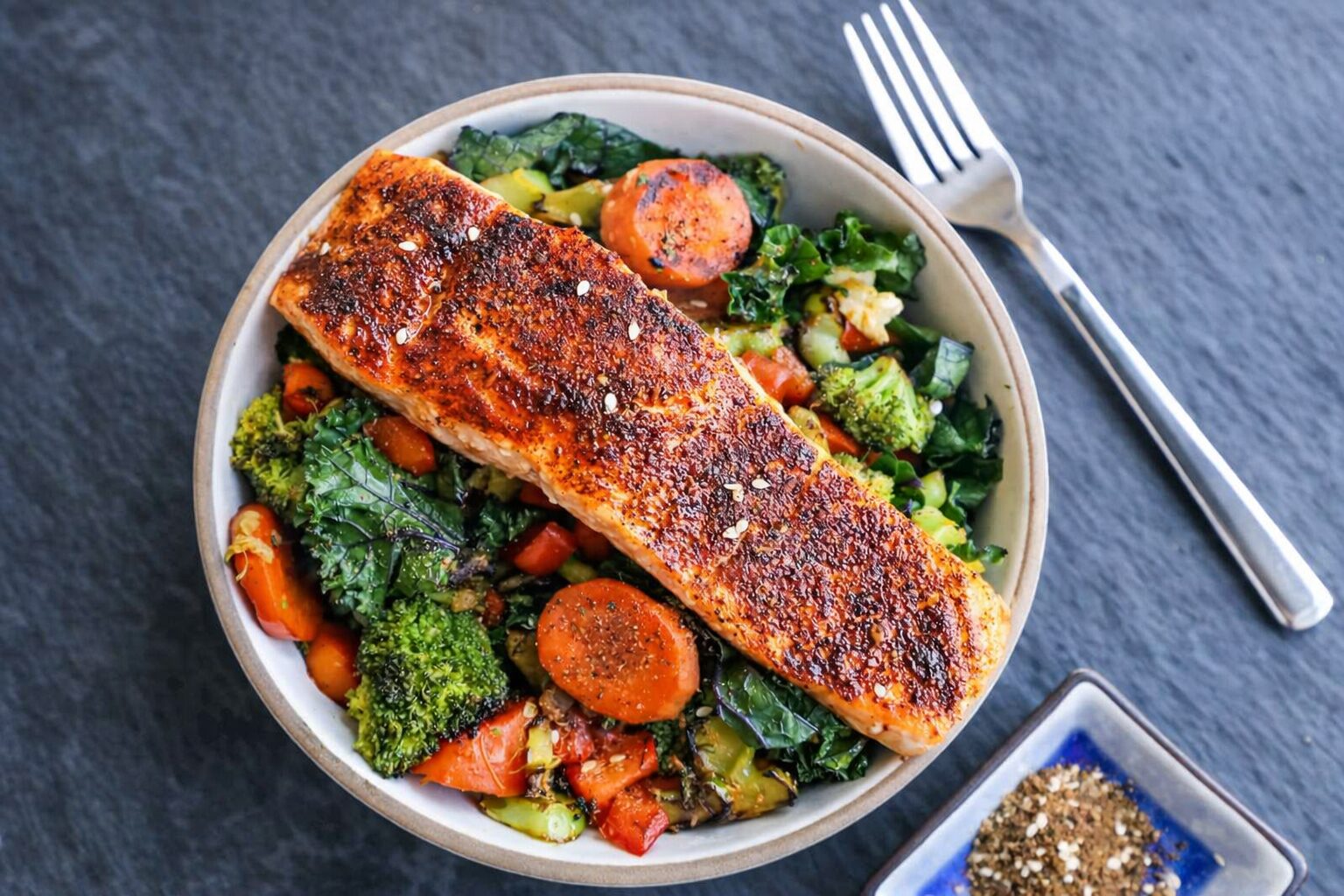
You want a dinner that tastes restaurant-level but doesn’t destroy your kitchen, right? Salmon spinach pasta solves that problem fast. It delivers creamy comfort, fresh flavor, and solid nutrition in one pan. I started making this on busy weeknights when I needed something impressive without stress, and now I crave it regularly.
This creamy salmon pasta with spinach hits that perfect balance. You get flaky salmon, tender pasta, vibrant greens, and a silky sauce that coats every bite. Sounds dramatic? Maybe. But once you try it, you’ll get it.
Why Salmon Spinach Pasta Works So Well
Ever wonder why this combination feels so satisfying? The ingredients complement each other naturally. Nothing fights for attention.
- Salmon adds richness and protein
- Spinach brings freshness and color
- Pasta delivers comfort and structure
- Creamy sauce ties everything together
The healthy fats from salmon create depth. Spinach cuts through that richness with a light, earthy note. Pasta carries the sauce and keeps every bite balanced. That harmony makes salmon spinach pasta feel indulgent but not heavy.

Choosing the Best Ingredients
Fresh Salmon Matters
I always choose fresh fillets when possible. Look for bright color and firm texture. Avoid fish with a strong odor because fresh salmon should smell clean.
Do not overcook it. You want tender flakes, not dry crumbs. I cook salmon just until it turns opaque and flakes easily with a fork.
Fresh Spinach for Better Texture
I prefer baby spinach because it wilts quickly and blends smoothly into the sauce. Frozen spinach works if you squeeze out all excess water. Extra moisture will thin your sauce and ruin the creamy texture.
The Right Pasta Shape
Penne, rigatoni, fettuccine, and linguine all work beautifully. Short pasta holds sauce inside the ridges. Long pasta creates elegant twirls. IMO, choose what you love and cook it al dente for the best bite.
Step-by-Step Guide to the Perfect Salmon Spinach Pasta
1. Cook the Pasta Properly
Boil water and salt it generously. Cook the pasta until al dente. Reserve one cup of pasta water before draining because that starchy liquid helps control sauce thickness.
2. Sear the Salmon
Season salmon with salt and pepper. Heat olive oil in a pan over medium heat. Place salmon skin-side down and cook for 4 to 5 minutes.
Flip it and cook for another 2 to 3 minutes. Remove it from heat once it flakes easily. Break it into large chunks instead of tiny pieces. Bigger pieces create better texture.
3. Build the Creamy Sauce
In the same pan, sauté minced garlic for 30 seconds. Add a splash of white wine and let it reduce. Pour in heavy cream and simmer gently.
Add freshly grated Parmesan, salt, black pepper, and a squeeze of lemon juice. The lemon brightens the richness instantly. Taste and adjust seasoning as you go.
4. Add Spinach and Combine
Add spinach and stir until it wilts. Return the pasta to the pan and mix gently. Add small splashes of reserved pasta water if the sauce feels too thick.
Fold in salmon carefully at the end. You want chunks, not shredded fish. Just like that, your creamy salmon pasta with spinach comes together.

Pro Tips That Make a Huge Difference
Small details transform good pasta into unforgettable pasta.
- Salt every layer for deeper flavor.
- Use freshly grated cheese for smooth melting.
- Add lemon zest at the end for brightness.
- Finish with cracked black pepper for subtle heat.
Do you see how those small moves change everything? Precision beats complexity every time.
How to Make It Lighter Without Losing Flavor
Want a healthier twist? You have options.
Swap the Cream
- Use half-and-half for lower fat.
- Stir in Greek yogurt over low heat.
- Try light cream cheese for thickness.
You keep the creaminess while cutting calories. Smart move, right?
Boost the Nutrition
Add cherry tomatoes for antioxidants. Toss in mushrooms for extra texture. Use whole wheat pasta for more fiber. Salmon spinach pasta already delivers protein and healthy fats, so these additions push it further.
Common Mistakes to Avoid
I learned these lessons the hard way.
- Overcooking salmon until dry
- Overcooking pasta until mushy
- Adding too much cream
- Skipping lemon or acid
Balance matters. Too much sauce buries the salmon. Too little seasoning makes everything bland. Taste constantly and adjust confidently.
Why This Recipe Beats Takeout
You control every ingredient. You choose quality salmon. You adjust seasoning exactly how you like it. That control guarantees better flavor than most takeout versions.
Plus, you finish everything in about 35 minutes. No delivery fees. No waiting. No disappointment. FYI, that alone makes it worth it 🙂
What to Serve With Salmon Spinach Pasta
This dish stands strong alone, but simple sides elevate it.
- Garlic bread
- Light arugula salad
- Roasted asparagus
- Crisp white wine
Keep sides fresh and light because the pasta already brings richness.

Meal Prep and Storage Tips
Store leftovers in an airtight container for up to three days. Reheat gently on the stove with a splash of milk or cream. Low heat keeps the salmon tender.
Avoid high microwave heat because it dries the fish quickly :/ Gentle reheating preserves texture and flavor.
Why You’ll Keep Coming Back to This Recipe
Salmon spinach pasta combines comfort and nutrition in one balanced dish. It feels indulgent but supports a healthy lifestyle. It looks impressive but requires simple techniques.
You can customize it easily. You can lighten it up. You can boost protein or add vegetables. That flexibility makes it perfect for weekly rotation.
Final Thoughts
This creamy salmon pasta with spinach solves the weeknight dinner dilemma. It delivers bold flavor, satisfying texture, and balanced nutrition without complicated steps. You control the seasoning, the richness, and the final presentation.
Next time you stare at salmon in your fridge and wonder what to cook, remember this recipe. Cook it once, and you’ll understand why I keep recommending it. And if someone asks for seconds, you’ll know you nailed it.

Emma Delacourt
Recipe Developer & Founder, MeatRecipesBox
Emma has been developing and testing meat recipes since 2019. She focuses on temperature precision, food science, and making restaurant-quality results accessible for home cooks. Every recipe on this site is tested multiple times before publishing.