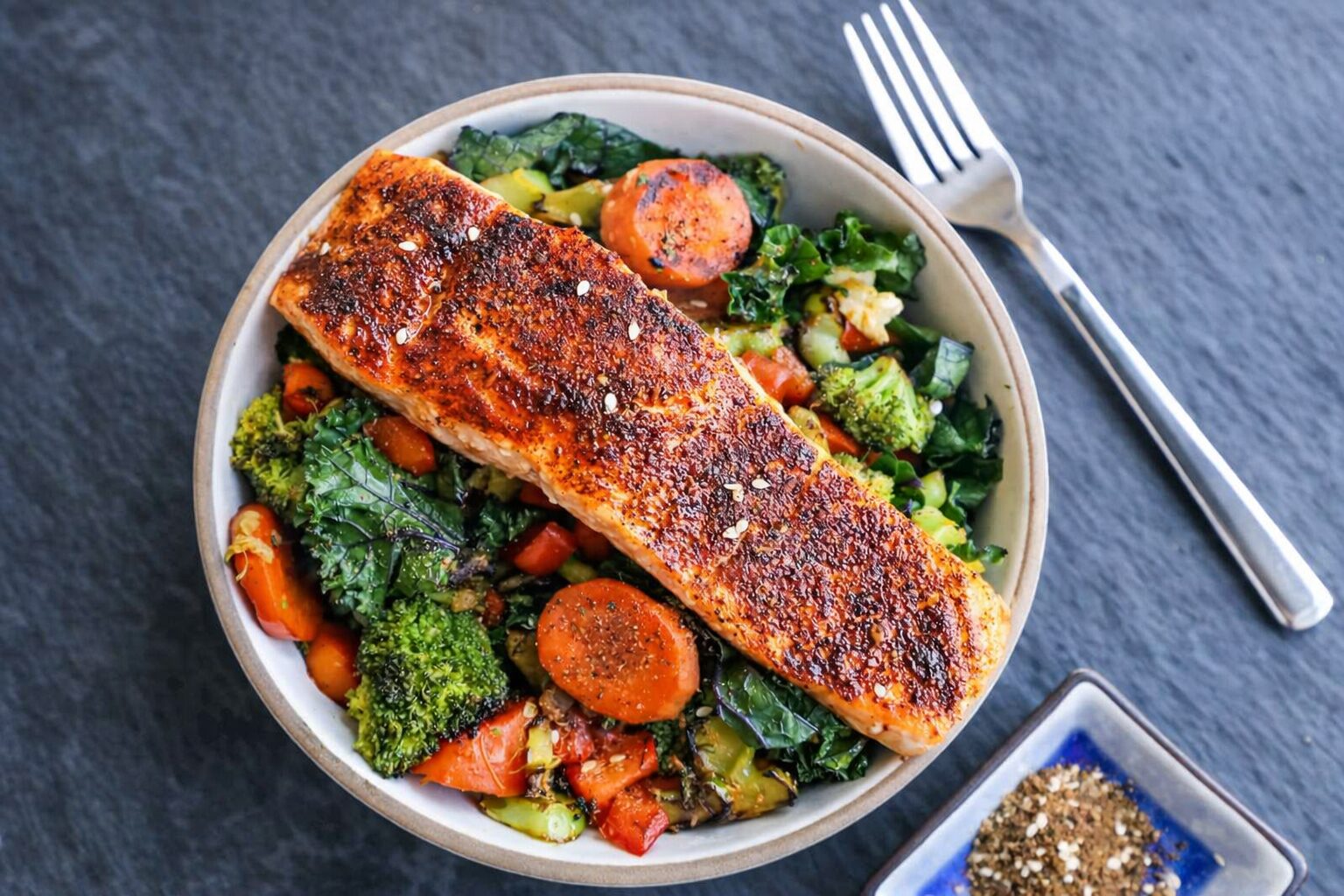

The salmon pouch recipe is one of those techniques that earns its place in a regular weeknight rotation not because it’s trendy, but because it genuinely works. You fold fresh salmon and aromatics into a sealed pocket of salmon foil, and the oven does the rest — producing tender, juicy fish bathed in its own concentrated juices in under 20 minutes. In my kitchen tests, this method produces more consistently moist results than any open-pan roasting approach I’ve tried.
The science is elegant: the sealed pouch traps moisture released from both the fish and the vegetables, building a self-basting steam environment that prevents the surface proteins from drying out before the center reaches temperature. It’s a technique that rewards precision and punishes nothing — even an extra minute in the oven rarely ruins it.
Why You’ll Love This Recipe
The salmon pouch method works because it converts a standard home oven into a precision steam cooker. When you seal salmon inside foil, the moisture that releases from the fish — along with any liquid from vegetables or added butter — circulates continuously around the fillet. This is convective steam cooking, and it keeps surface proteins from contracting and tightening the way they do under direct dry heat.
Atlantic salmon, with its 13–14% intramuscular fat content, responds particularly well to this environment. That fat melts gradually as internal temperature rises, basting the muscle fibers from within. The result is a fillet that flakes cleanly, stays glossy, and tastes richer than its simplicity suggests. I’ve found that even guests who claim to dislike salmon come around when they taste it cooked this way.
The cleanup argument is also real. Four pouches, one sheet pan, ten minutes of washing. On weeknights, that matters.
The Butcher’s Selection – Ingredients & Fat Ratios
Fillet selection sets the ceiling on this recipe. Choose skin-on Atlantic or King salmon fillets, 1 to 1.25 inches thick. The skin acts as a natural heat shield on the bottom of the pouch, slowing heat transfer to the flesh side and reducing the risk of the base overcooking before the top reaches temperature. Thinner fillets — anything under ¾ inch — cook too fast to benefit from the steam environment and should be watched very closely.
Avoid pre-portioned skinless fillets for this technique. Without the skin, the fillet sits directly against hot foil, and the bottom edge can toughen before the center hits 145°F (63°C).
- 4 × 6 oz salmon fillets, skin-on, 1–1.25 in. thick
- 2 tbsp unsalted butter, sliced into pats
- 4 cloves garlic, thinly sliced
- 1 cup cherry tomatoes, halved
- 1 medium zucchini, half-moon slices
- 1 lemon, thinly sliced
- 4 sprigs fresh thyme (or ½ tsp dried)
- 1 tbsp olive oil
- 1 tsp smoked paprika
- ¾ tsp flaky sea salt + cracked black pepper
- 4 sheets heavy-duty aluminum foil, 18 × 12 in.
Smoked paprika contains capsaicinoids and carotenoid pigments that bind to salmon’s surface fat during cooking. In a sealed pouch, these compounds have nowhere to volatilize — they stay in contact with the flesh for the full cook time, producing a deeper, more penetrating flavor than the same amount of spice applied to an open-pan fillet.
How to Make a Salmon Pouch Recipe
The layering sequence inside each pouch is not arbitrary. Dense, water-rich vegetables go on the bottom to absorb and re-release heat. The fish sits on top, elevated slightly above the foil surface, where it cooks primarily in circulating steam rather than direct conducted heat. Aromatics go on top of the fish, where their volatile compounds release downward into the flesh as they heat.
- Preheat the oven to 400°F (205°C). Center rack. This temperature generates enough steam inside the pouch to cook a 1-inch fillet through in 13–15 minutes while keeping the vegetable base from turning mushy.
- Cut four sheets of heavy-duty foil, each 18 × 12 inches. Lay them flat on your counter, shiny side up. Shiny side reflects infrared radiation back into the pouch, accelerating the steam generation slightly.
- Build the vegetable base. Divide zucchini slices and cherry tomatoes across the center of each sheet. Drizzle with olive oil and season lightly. A single flat layer — no more than ¾ cup total — is the target. Overcrowding floods the pouch.
- Place one salmon fillet on each vegetable base, skin side down. Season the flesh with smoked paprika, salt, and pepper. Layer on two lemon slices, garlic, a sprig of thyme, and a pat of butter.
- Seal the pouch. Bring the two long edges of the foil together above the fish and fold them down in three tight crimps. Fold the short ends under. The key detail: leave a small air dome above the fillet — a fully flat seal prevents steam circulation.
- Bake 13–15 minutes at 400°F (205°C). A 1-inch fillet reaches 145°F in 13 minutes. A 1.25-inch fillet needs 15–16 minutes. Do not open the pouches mid-bake.
- Rest 2 minutes on the pan. Residual heat inside the sealed pouch continues cooking the fillet after it leaves the oven. This carryover adds 2–3°F to the internal temperature and redistributes moisture through the muscle tissue.
- Open carefully and verify temperature. Fold back one corner of the foil — steam escapes fast. Insert an instant-read thermometer into the thickest point of the fillet.
Pro Cooking Tips
Heavy-duty foil is non-negotiable. Standard foil tears at the fold points under sustained oven heat, breaking the steam seal and drying out the fish. If you only have standard foil, double it. The small investment in heavy-duty foil is worth every cent over the course of a year of cooking this recipe.
Equalize thickness before sealing. Salmon fillets are rarely uniform. A center section that measures 1.25 inches will be done 3–4 minutes after a ½-inch tail section. Fold the thin tail under itself before assembling the pouch. Two layers of thin fish cook more evenly than one inconsistent fillet laid flat.
If you want to expand your salmon foil repertoire beyond this base recipe, these 15 StarkIst salmon pouch ideas show how versatile the sealed-foil technique becomes when you start varying the flavor profiles systematically.
To serve cleanly, slide a thin flexible spatula between the skin and the foil. The skin bonds to the foil during cooking and peels away with zero resistance, leaving you with a pristine skinless portion and nothing to scrape off the pan.
Recipe Variations
🥑 Keto / Low-Carb
Replace zucchini with asparagus spears and tomatoes with sliced mushrooms. Add an extra pat of butter. Net carbs: under 4g per pouch.
🌶 Harissa Spiced
Spread 1 tsp harissa paste on each fillet before sealing. Add chickpeas and sliced red onion to the base. Earthy, fiery, and complex.
🍋 Lemon Herb Cream
Add 1 tbsp crème fraîche per pouch alongside the butter. Use tarragon and chives instead of thyme. The fat-washed herbs create a silky, aromatic sauce.
🫚 Miso Ginger
Mix 1 tsp white miso with ½ tsp sesame oil and rub on the fillet. Add bok choy and thinly sliced scallions. Deeply savory, quietly sweet.
Slow Cooker Adaptation
Assemble pouches as directed and lay them flat in the slow cooker basin. Cook on HIGH for 1.5 hours or LOW for 2.5 hours. The foil seal preserves the steam environment regardless of heat source. Target internal temperature is still 145°F (63°C).
Instant Pot Adaptation
Add ½ cup water to the inner pot and place the trivet inside. Set sealed pouches on the trivet and cook on Manual HIGH for 4 minutes, quick release. This method works best for fillets under 1 inch — the pressurized steam environment is highly efficient and thin fillets can overshoot temperature within seconds of the target.
What to Serve With This Dish
Each salmon pouch produces a small pool of aromatic jus at the bottom of the foil — butter, lemon, fish fat, and concentrated vegetable juices. The best accompaniments either absorb this liquid or provide textural contrast to the tender fish.
- 🍚 Steamed jasmine or basmati rice
- 🥗 Shaved fennel salad with orange segments
- 🥔 Roasted baby potatoes with sea salt
- 🫘 Cannellini bean purée with sage
- 🌿 Steamed broccolini with chili flakes
- 🍞 Grilled sourdough to soak the jus
If you want to build out the salmon into a fuller pasta dinner, my simple salmon pasta recipe uses similar flavor foundations and comes together in under 30 minutes. For wine, a mineral-driven Chablis or a dry Alsatian Riesling cuts through the buttery richness without competing with the fish.
Storage & Meal Prep – Preserving Juiciness
Cooked salmon deteriorates faster in texture than most proteins because its muscle fibers are shorter and less dense. The single biggest mistake in storage is reheating too fast. High microwave heat causes rapid protein contraction, squeezing moisture out of the tissue and leaving the fish grainy and dry.
Airtight container, up to 3 days. Store with the cooking juices — they re-baste the fish during gentle reheating.
Freeze raw assembled pouches for up to 1 month. Thaw overnight in the fridge before baking. Do not freeze cooked salmon pouches.
275°F (135°C) oven, sealed in foil, 8–10 minutes. The low temperature prevents further protein contraction.
Meal prep workflow: Assemble all four raw pouches on Sunday evening. They keep flat in the refrigerator for up to 24 hours before baking. On weeknights, slide them directly from cold into a preheated oven — add 3 minutes to the cook time to account for the cold start.
Nutritional Information (Per Serving)
Values calculated for one 6 oz Atlantic salmon fillet with butter, olive oil, zucchini, and cherry tomatoes.
| Nutrient | Amount | % Daily Value* |
|---|---|---|
| Calories | 365 kcal | — |
| Protein | 36 g | 72% |
| Total Fat | 21 g | 27% |
| Saturated Fat | 5 g | 25% |
| Omega-3 Fatty Acids | 2,100 mg | — |
| Carbohydrates | 7 g | 3% |
| Dietary Fiber | 2 g | 7% |
| Sodium | 490 mg | 21% |
| Potassium | 905 mg | 19% |
| Vitamin D | 16 mcg | 80% |
*Percent Daily Values based on a 2,000-calorie diet. Omega-3 values from USDA FoodData Central for farmed Atlantic salmon.
Common Mistakes to Avoid
Crimping the foil flush against the fish
A pouch with zero internal airspace becomes a compression vessel, not a steam chamber. Steam needs room to move. Always leave a visible dome of space between the foil and the top of the fillet before sealing the seam.
Piling vegetables too deep
A thick bed of vegetables releases excessive water, converting the pouch environment from steam to a liquid braise. Keep the vegetable layer to a single flat spread — no more than ¾ cup per pouch — and cut pieces uniformly so they cook at the same rate as the fish.
Opening pouches immediately out of the oven
Carryover cooking inside a sealed pouch is more significant than in open-pan methods because the retained steam continues transferring heat after the oven is off. Give it 2 full minutes. You gain 2–3°F of safe internal temperature and meaningfully juicier fish.
Using regular foil without doubling
Standard foil develops pinhole tears at fold points under sustained 400°F heat. Once the seal breaks, steam escapes and the technique collapses into a standard open bake. Heavy-duty foil or a doubled standard layer is the minimum for reliable results.
Skipping the thermometer
Salmon opacity changes with fat content and species — color is an unreliable doneness marker. The FDA minimum safe internal temperature is 145°F (63°C). A probe thermometer inserted at the thickest point is the only measurement that matters.
Frequently Asked Questions
This recipe is designed for fresh or thawed raw fillets. Canned or shelf-stable pouched salmon is already fully cooked and does not benefit from the foil-bake method — it will dry out and lose its texture. For pouched canned salmon, use it cold in salads, pasta, or rice bowls instead.
Atlantic salmon (farmed) offers the most forgiving cook window due to its high intramuscular fat content (13–14%). King (Chinook) salmon is the premium choice with even more fat. Sockeye and coho are leaner and require closer attention to timing — reduce the bake time by 1–2 minutes and check internal temperature early.
Yes. Place sealed pouches on a preheated medium-high grill (400°F / 205°C surface) and close the lid. Cook 12–14 minutes. The enclosed lid creates an ambient temperature that mimics oven baking. The foil prevents direct flame contact, so you won’t get Maillard browning — but the fish will be just as juicy.
Cut vegetables into thin, uniform pieces — no thicker than ¼ inch for zucchini and halved for cherry tomatoes. Dense vegetables like carrots or beets take too long at this temperature and should be pre-blanched or swapped for softer options. Asparagus, spinach, thinly sliced bell pepper, and cherry tomatoes all finish in sync with the fish.
Raw assembled pouches refrigerate well for up to 24 hours before baking — a practical Sunday prep for a Monday dinner. Cooked pouches keep for 3 days. Always reheat at 275°F (135°C) in the foil to protect texture, and ensure the fish returns to an internal temperature of 145°F (63°C) before serving.
Seal It, Bake It, Love It.
This salmon pouch recipe is one of the most reliable techniques I’ve put on this site — minimal prep, precise results, and a built-in cleanup advantage. If you make it, share your version on Pinterest and tag @MeatRecipesBox.
📌 Pin This Recipe to Pinterest
Salmon Pouch Recipe – Simple & Flavorful Foil Bake
A technique for cooking salmon in a sealed foil pouch, resulting in tender, juicy fish in under 20 minutes.
- 6 oz salmon fillets, skin-on, 1–1.25 in. thick
- 2 tbsp unsalted butter, sliced into pats
- 4 cloves garlic, thinly sliced
- 1 cup cherry tomatoes, halved
- 1 medium zucchini, half-moon slices
- 1 lemon, thinly sliced
- 4 sprigs fresh thyme (or ½ tsp dried)
- 1 tbsp olive oil
- 1 tsp smoked paprika
- ¾ tsp flaky sea salt
- ¾ tsp cracked black pepper
- 4 sheets heavy-duty aluminum foil, 18 × 12 in.
Make Salmon Pouches
Preheat the oven to 400°F (205°C).
Cut four sheets of heavy-duty foil, each 18 × 12 inches. Lay them flat, shiny side up.
Divide zucchini slices and cherry tomatoes across the center of each sheet. Drizzle with olive oil and season lightly.
Place one salmon fillet on each vegetable base, skin side down. Season with smoked paprika, salt, and pepper.
Layer on two lemon slices, garlic, a sprig of thyme, and a pat of butter.
Seal the pouch. Bring the two long edges of the foil together and fold down in three tight crimps. Fold the short ends under, leaving a small air dome.
Bake 13–15 minutes at 400°F (205°C).
Rest 2 minutes on the pan.
Open carefully and verify temperature. Insert an instant-read thermometer into the thickest point of the fillet. Target internal temp: 145°F (63°C).
- Oven
- Sheet Pan
- Instant-Read Thermometer
Heavy-duty foil is recommended. Leaving a small air dome in the pouch is crucial for steam circulation.
Did You Try Our Recipe ?
Chicken hears and gizzards
I would love you to send me the recipe please. I have no printer to print it off. [email protected]
Response from MeatRecipesBox
Hi Sharon, thank you so much for your kind words! I’ve just sent the full recipe to your inbox. Enjoy, and let me know how it turns out! 😊
Scrumptious
My husband (who is extremely picky) loved the liver & onions so much!! I didn’t have any beef broth or Sherry so I used about a tbl of Worcestershire and 1/4 c of white wine …..it was scrumptious
Response from MeatRecipesBox
Oh wow, I’m so happy to hear that!! 😍 I love that you made it work with what you had on hand — Worcestershire and white wine sound like a delicious twist. So glad your husband enjoyed it, especially being picky! Thank you for sharing your version, it makes me smile knowing it turned out scrumptious!
This was amazing
This recipe turned out really amazing! It’s juicy and spiced deliciously. I definitely would use less of the spicy pepper next time, but it really was delicious and I don’t think I’ll make chicken legs any other way from now on.!
Response from MeatRecipesBox
Thank you for taking the time to leave such a thoughtful review. I’m really glad to hear the recipe turned out juicy and full of flavor for you. That’s exactly what I was hoping for when putting it together. Good call on the spicy pepper as well. Adjusting the heat level to your own taste is always the best approach, and using a little less next time should make it just right for you. I really appreciate you trying the recipe and sharing your experience. It’s great to know it worked so well for you.
I Didn’t Expect This Cornbeef Hash Recipe to Taste This Good!!
One skillet. A handful of simple ingredients. Thirty minutes on the clock. And somehow… I ended up with the crispiest, most comforting cornbeef hash recipe I’ve made in years.
I wasn’t expecting much—just a quick, no-fuss meal. But that first bite? Crispy edges, tender potatoes, smoky corned beef, a little kick of pepper. It tasted like something straight off a cozy diner griddle.
Honestly, it caught me off guard—in the best way. Here’s why this simple skillet completely won me over.